Wooden handrail systems have long been a staple in architectural design, prized for their natural beauty, warmth, and elegance. As a supplier of handrail systems, I often get asked about the durability of wooden handrails. The answer to this question is multi-faceted and depends on a variety of factors, including the type of wood used, the environmental conditions, and the level of maintenance. Handrail Systems

Types of Wood and Their Durability
The durability of a wooden handrail system starts with the type of wood chosen. Different woods have different characteristics that affect their ability to withstand wear and tear, as well as exposure to the elements.
Hardwoods are generally known for their durability. Species such as oak, maple, and teak are dense and have a high resistance to scratches, dents, and decay. Oak, for example, is a popular choice for interior handrails because of its strength and beautiful grain pattern. It can withstand heavy use in high-traffic areas without showing significant signs of damage. Maple, on the other hand, is even harder than oak and is often used in commercial settings where durability is of utmost importance.
Teak is an excellent choice for outdoor handrail systems. It contains natural oils that make it highly resistant to moisture, rot, and insects. These oils also give teak a natural weather – resistant quality, allowing it to age gracefully over time. When properly maintained, a teak handrail can last for decades in an outdoor environment.
Softwoods, such as pine and cedar, are also used in handrail systems, but they are generally less durable than hardwoods. Pine is a relatively inexpensive option, but it is more prone to scratches and dents. Cedar, however, has some natural resistance to decay and insects, making it a better choice for outdoor applications. It has a pleasant aroma and a distinctive grain pattern, adding to its aesthetic appeal.
Environmental Factors Affecting Durability
The environment in which the wooden handrail is installed plays a crucial role in its durability. Indoor handrails are generally protected from the harsher elements, but they still face challenges such as humidity changes and physical contact.
In a home or office environment, fluctuations in humidity can cause the wood to expand and contract. If the wood is not properly acclimated before installation, this can lead to warping, cracking, or splitting. For example, in a bathroom where the humidity is often high, the constant exposure to moisture can cause the wood to swell and eventually deteriorate if not properly sealed.
Outdoor handrails are exposed to a wider range of environmental factors, including sunlight, rain, snow, and temperature changes. UV rays from the sun can cause the wood to fade and dry out over time, making it more brittle and susceptible to damage. Rain and snow can lead to moisture absorption, which can cause rot and decay if the wood is not treated or sealed. Extreme temperature changes, such as freezing and thawing, can also cause the wood to crack or split.
Maintenance and Its Impact on Durability
Proper maintenance is essential for ensuring the durability of wooden handrail systems. Regular cleaning can prevent the buildup of dirt, dust, and grime, which can scratch the surface of the wood over time. A simple solution of mild soap and water can be used to clean indoor handrails, followed by a dry cloth to remove any excess moisture.
For outdoor handrails, more frequent maintenance is required. Depending on the type of wood and the environmental conditions, the handrail may need to be sealed or stained every one to three years. Sealing the wood helps to protect it from moisture, UV rays, and other environmental factors. Staining not only provides protection but also enhances the natural beauty of the wood and can be used to change its color.
In addition to cleaning and sealing, it is important to inspect the handrail regularly for any signs of damage, such as cracks, splits, or loose joints. If any issues are detected, they should be addressed promptly to prevent further damage and ensure the safety of the users.
Case Studies and Real – World Examples
Let’s take a look at some real – world examples to illustrate the durability of wooden handrail systems. In a historic mansion, an oak handrail that was installed over a century ago is still in excellent condition. The owners have maintained the handrail with regular cleaning and occasional refinishing. The dense nature of the oak wood has allowed it to withstand the test of time and the heavy traffic from generations of visitors.
In a coastal resort, a teak handrail has been exposed to the harsh marine environment for over 20 years. Despite being constantly battered by saltwater, wind, and sunlight, the teak handrail has only developed a beautiful silver – gray patina. The natural oils in the teak have provided long – lasting protection against rot and decay, making it a reliable choice for outdoor applications in a challenging environment.
Comparing Wooden Handrails to Other Materials
When considering the durability of wooden handrails, it is also important to compare them to other materials commonly used in handrail systems, such as metal and plastic.
Metal handrails, such as stainless steel and aluminum, are known for their strength and resistance to corrosion. They are often used in industrial and commercial settings where durability and low maintenance are required. However, metal handrails can be cold to the touch in the winter and may dent or scratch over time.
Plastic handrails are lightweight, inexpensive, and easy to install. They are resistant to moisture and rot, but they may not have the same aesthetic appeal as wooden handrails. Plastic can also become brittle over time, especially when exposed to sunlight.
Wooden handrails offer a unique combination of natural beauty and durability. While they may require more maintenance than some other materials, the rewards of a well – maintained wooden handrail are well worth the effort.
Conclusion
In conclusion, wooden handrail systems can be highly durable if the right type of wood is chosen, the environmental factors are considered, and proper maintenance is carried out. Hardwoods like oak, maple, and teak are excellent choices for their strength and resistance to damage, both indoors and outdoors. Softwoods can also be used, but they may require more attention to ensure their longevity.
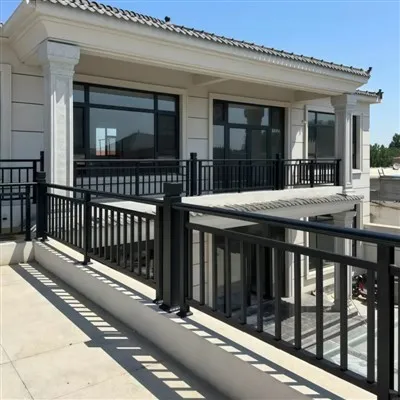
As a supplier of handrail systems, I am committed to providing high – quality wooden handrails that are not only beautiful but also durable. We offer a wide range of wood species and finishes to meet the needs of different projects and environments. Whether you are building a new home, renovating an old one, or working on a commercial project, our wooden handrail systems can add a touch of elegance and functionality to your space.
Welded Railing If you are interested in learning more about our wooden handrail systems or would like to discuss your specific requirements, please feel free to reach out to us for a procurement discussion. We look forward to helping you select the perfect handrail for your project.
References
- "Wood Handbook: Wood as an Engineering Material" by the Forest Products Laboratory
- "The Complete Guide to Outdoor Wood Projects" by Popular Woodworking
- "Modern Building Materials and Their Specifications" by various contributors
Jiangxi Hengmei New Materials Co., Ltd.
We’re well-known as one of the leading handrail systems manufacturers in China, featured by quality products and good service. Please rest assured to buy bulk handrail systems made in China here from our factory. We also accept customized orders.
Address: Wanfu Industrial Park, Wuning County, Jiujiang City, Jiangxi Province
E-mail: 13979274798@163.COM
WebSite: https://www.hengmeiindustry.com/
