As a supplier in the coal mining tools industry for several years, I’ve witnessed firsthand the challenges and tribulations faced in coal mines. Coal mining is a harsh and unforgiving environment, taking a toll on even the most robust tools. Understanding the common failures of coal mining tools is not only crucial for miners but also for suppliers like me, as it allows us to provide better products and solutions. Coal Mining Tools
Wear and Tear
One of the most prevalent issues with coal mining tools is wear and tear. The abrasive nature of coal and the surrounding rock can cause significant damage to cutting edges, drill bits, and other components. For example, in long – wall mining, shearer picks are constantly in contact with the coal seam. Over time, the cutting edge of these picks becomes dull, reducing their efficiency and increasing the energy required to cut through the coal.
Similarly, drill bits used in coal exploration and production are subject to extreme wear. The constant rotation and pressure against the hard rock formations can cause the tungsten carbide inserts, which are commonly used in high – quality drill bits, to chip or break. Once this happens, the drilling speed decreases, and the accuracy of the hole is compromised.
To combat wear and tear, manufacturers often use high – wear – resistant materials. For instance, some shearer picks are made with advanced carbide alloys that can withstand the abrasive forces for a longer period. However, even with the best materials, wear is inevitable, and regular maintenance and replacement of worn parts are essential.
Mechanical Failure
Mechanical failures in coal mining tools can stem from various sources. One common cause is improper assembly. If components are not assembled correctly, it can lead to misalignment, which in turn can cause excessive stress on certain parts. For example, in a conveyor system, if the pulleys are not aligned properly, the belt may run off – center, causing uneven wear and increasing the risk of belt failure.
Another aspect of mechanical failure is fatigue. Many coal mining tools, such as hydraulic cylinders and pumps, are subject to repeated stress cycles. Over time, this can cause cracks to form in the metal components, leading to catastrophic failures. Fatigue failures are particularly dangerous because they can occur suddenly, without much warning.
Lack of lubrication is also a significant factor contributing to mechanical failure. In a coal mine, dust and debris can easily contaminate lubricants, reducing their effectiveness. Without proper lubrication, moving parts can experience increased friction, leading to overheating and premature wear. For example, in a gearbox, insufficient lubrication can cause the gears to grind against each other, resulting in tooth wear and eventual gear failure.
Corrosion
Corrosion is a major problem in coal mines due to the presence of moisture, chemicals, and acidic environments. Mining tools are often exposed to water that may contain dissolved salts, sulfur compounds, and other corrosive substances. For example, in underground mines, the water that seeps into the tunnels can be highly acidic due to the oxidation of sulfur – containing minerals in the coal.
Corrosion can affect various parts of coal mining tools. For instance, metal frames of machinery can rust, weakening the structure and reducing its load – bearing capacity. Electrical components are also vulnerable to corrosion. Corrosion on electrical connectors can cause poor conductivity, leading to malfunctions in control systems.
To prevent corrosion, manufacturers use various coating techniques. Galvanizing, for example, is a common method where a layer of zinc is applied to the metal surface. This zinc layer acts as a sacrificial anode, corroding instead of the underlying metal. Additionally, using corrosion – resistant materials such as stainless steel in critical components can also help mitigate the problem.
Electrical and Control System Failures
In modern coal mining operations, electrical and control systems play a vital role. However, these systems are prone to failures. One of the main causes of electrical failures is dust and moisture ingress. Coal dust is a major hazard in mines, and it can easily accumulate on electrical components, causing short – circuits. Moisture, on the other hand, can lead to corrosion of electrical contacts and insulation breakdown.
Software glitches can also cause problems in control systems. In automated mining equipment, complex software programs are used to control the operation of machinery. A small error in the software code can lead to incorrect functioning, such as the wrong speed setting for a conveyor or misaligned movement of a robotic mining arm.
To address electrical and control system failures, regular maintenance and cleaning of electrical components are essential. Additionally, proper sealing of electrical enclosures can help prevent dust and moisture from entering. Rigorous software testing and quality control during the development phase can minimize the risk of software – related failures.
As a coal mining tools supplier, I understand the importance of providing reliable products that can withstand the harsh conditions in coal mines. We continuously invest in research and development to improve the design and materials of our tools. For example, we are working on developing new coatings that can further enhance the corrosion resistance of our products.
We also offer comprehensive after – sales services, including maintenance training for miners. By understanding the common failures of coal mining tools, miners can take proactive measures to prevent breakdowns and ensure the smooth operation of their mining activities.
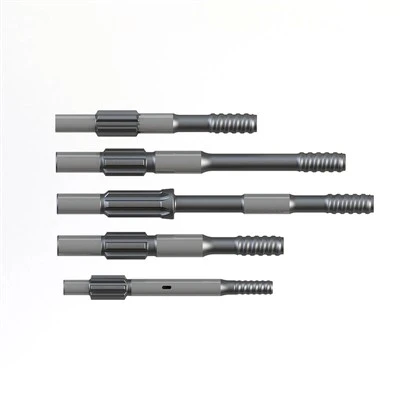
Shank Adapters If you are in the coal mining industry and looking for high – quality mining tools that are designed to minimize failures, I invite you to get in touch with us. We can provide you with detailed product information, customized solutions based on your specific needs, and competitive pricing. Engaging in a procurement discussion with us will help you secure the best tools for your coal mining operations, ensuring efficiency and safety.
References
- Smith, J. (2018). "Wear Mechanisms in Coal Mining Tools". Journal of Mining Equipment Science, 15(2), 45 – 56.
- Johnson, A. (2019). "Mechanical Failures in Industrial Mining Equipment". International Journal of Mining Engineering, 22(3), 78 – 89.
- Brown, S. (2020). "Corrosion Prevention in Mining Environments". Mining and Metallurgy Review, 30(1), 23 – 34.
- Davis, R. (2021). "Electrical and Control System Reliability in Coal Mines". Journal of Mining Automation, 18(4), 67 – 77.
Super Rock Machinery Equipment (Qingdao) Co., Ltd.
We are one of the most professional coal mining tools manufacturers and suppliers in China, featured by quality products and good price. Please feel free to buy advanced coal mining tools for sale here from our factory. Welcome to view our website for more information.
Address: No. 45, Pengwan Road, Qianwan Bonded Port Area, Qingdao Sub-district, Free Trade Pilot Zone, Shandong China
E-mail: sales@superrocktools.com
WebSite: https://www.superrocktools.com/
