As a professional packaging box supplier, I often get asked about how to add inserts to a packaging box. Inserts play a crucial role in enhancing the functionality, protection, and presentation of the products inside the box. In this blog post, I’ll share some practical tips and methods on inserting inserts into packaging boxes, covering various aspects from material selection to the insertion process. Packaging Box

Material Selection for Inserts
The first step in adding inserts to a packaging box is selecting the right material. Different products require different types of insert materials to ensure optimal protection and presentation.
- Corrugated Cardboard: This is a popular choice due to its strength and durability. Corrugated cardboard inserts can be easily customized into various shapes and sizes. They are excellent for protecting heavy or fragile items during shipping as they can absorb shocks and impacts. For example, if you’re packaging electronic devices, corrugated cardboard inserts can be designed to cradle the devices securely, preventing them from moving around and getting damaged.
- Foam: Foam inserts offer superior cushioning and are ideal for protecting delicate and high – value items. There are different types of foam available, such as polyethylene foam, polyurethane foam, and EVA foam. Polyethylene foam is lightweight and has good impact resistance, making it suitable for general – purpose protection. Polyurethane foam can be molded into complex shapes, providing a perfect fit for irregularly shaped products. EVA foam is soft, flexible, and has excellent chemical resistance, often used in cosmetic or jewelry packaging.
- Paperboard: Paperboard inserts are cost – effective and environmentally friendly. They are commonly used for packaging items like CDs, DVDs, small stationery, or lightweight consumer products. Paperboard can be easily printed with branding or product information, enhancing the overall packaging aesthetics.
- Plastic: Plastic inserts are known for their clarity, stiffness, and moisture resistance. They are often used in the food and beverage industry or for displaying products where visibility is important. Acrylic plastic inserts, for instance, can create a sleek and modern look for high – end product packaging.
Designing the Inserts
Once you’ve selected the appropriate material, the next step is to design the inserts. The design should be tailored to the specific product and the packaging box.
- Measure the Product and the Box: Take accurate measurements of the product to ensure a snug fit. Then, measure the interior dimensions of the packaging box. Consider factors such as the height, width, depth, and any irregularities in the product’s shape. For example, if you’re packaging a bottle with a unique shape, the insert should be designed to hold it firmly without allowing it to tilt or fall.
- Create Compartments and Dividers: If you’re packaging multiple items, creating compartments and dividers helps keep the products organized and separated. This not only protects the items from colliding with each other but also makes the packaging look more professional. For instance, a makeup kit packaging may have separate compartments for different types of cosmetics like lipsticks, eyeshadows, and mascaras.
- Consider the Insert’s Function: Think about the primary function of the insert. Is it mainly for protection, organization, or presentation? If it’s for protection, ensure that the insert has enough padding and support. If it’s for presentation, focus on creating an aesthetically pleasing design. For example, a jewelry insert may be designed to showcase the pieces in an elegant way, using soft velvet lining and well – spaced compartments.
Cutting and Assembling the Inserts
After designing the inserts, you need to cut and assemble them. The process may vary depending on the material used.
- Using Cutting Tools: For materials like cardboard and paperboard, you can use a utility knife or a die – cutting machine. A utility knife is suitable for small – scale production or for making simple cuts. However, for mass production, a die – cutting machine provides more precision and efficiency. When using a die – cutting machine, you need to create a custom die that matches the shape of the insert design.
- Assembly Methods: Different materials require different assembly methods. Cardboard and paperboard inserts can be assembled using glue, tape, or interlocking tabs. Glue provides a strong and permanent bond, but it may take some time to dry. Tape is a quick and easy option, but it may not be as durable. Interlocking tabs are a great choice for creating a sturdy and reusable insert without the need for additional adhesives. Foam inserts can be cut and shaped using a hot wire cutter and then assembled using foam – specific adhesives. Plastic inserts can be joined using solvents or ultrasonic welding, depending on the type of plastic.
Inserting the Inserts into the Packaging Box
The final step is to insert the inserts into the packaging box.
- Pre – fit the Insert: Before inserting the insert, make sure it fits properly inside the box. Check for any gaps or areas that may need adjustment. This helps ensure a seamless fit and a professional – looking finish.
- Insertion Technique: Place the insert gently into the box, starting from one end and gradually working your way to the other. For larger inserts or boxes, it may be helpful to have someone assist you to ensure that the insert is centered and aligned correctly. If the insert has multiple parts or compartments, make sure they are all in place and properly oriented.
- Secure the Insert: Once the insert is in place, you may need to secure it to prevent it from shifting during shipping or handling. This can be done using double – sided tape, glue dots, or by designing the insert to fit snugly into the box. Make sure the securing method does not damage the insert or the product.
Quality Control
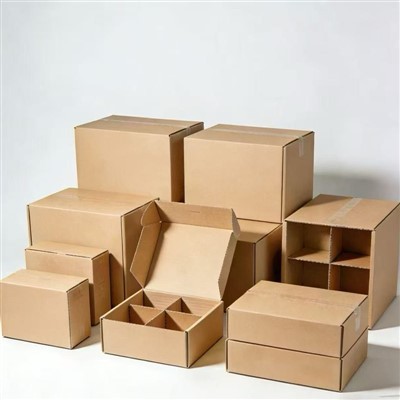
After inserting the inserts, it’s important to conduct quality control checks.
- Visual Inspection: Check the appearance of the packaged product. Look for any signs of damage to the insert or the product. Ensure that the insert is correctly positioned and that the product is well – protected. Check for any loose parts, tears, or misaligned compartments.
- Function Testing: Test the functionality of the insert. If the insert is designed to hold the product securely, try gently shaking the box to see if the product stays in place. If the insert has compartments or dividers, check if they can effectively separate the items.
- Shipping Simulation: If possible, conduct a shipping simulation by subjecting the packaged product to conditions similar to those during actual shipping. This can help identify any potential issues with the insert or the packaging box and allow you to make necessary adjustments.
Conclusion
Corrugated Carton Adding inserts to a packaging box is a multi – step process that involves careful material selection, design, cutting, assembly, insertion, and quality control. By following these steps, you can create packaging that not only protects the product but also enhances its presentation. As a packaging box supplier, I understand the importance of providing high – quality packaging solutions. If you’re interested in purchasing packaging boxes with inserts or need more information about our products, feel free to contact us for a detailed discussion. Our team of experts is ready to help you find the best packaging solution for your needs.
References
- Packaging Machinery Manufacturers Institute – Packaging Handbook
- Smith, J. (2018). Best Practices in Product Packaging. New York: Publishing House.
- Johnson, A. (2020). Innovations in Packaging Design. London: Design Press.
Hangzhou Yitian Printed Goods Co., Ltd.
We’re well-known as one of the leading packaging box manufacturers and suppliers in China, also support customized service. Please feel free to buy high quality packaging box made in China here and get pricelist from our factory. For price consultation, contact us.
Address: Room 1719-1, Building 2, Xinglan Building, No. 2333 Xixing Road, Xixing Subdistrict, Binjiang District, Hangzhou City, Zhejiang Province
E-mail: sxyunchao2023@163.com
WebSite: https://www.ytcarton.com/
