If you’re running a medical device processing supply, you know that half the job isn’t just taking raw parts and turning them into something that works—it’s proving to hospitals, OEMs, and regulators that every step you take is intentional, safe, and repeatable. A few years back, I had a client come to me panicked because their processing vendor got a recall notice for a batch of implantable pins. The root cause? The vendor was tracking “on-time delivery” as their only big KPI, and they skipped routine micro-measurement checks to hit a deadline. That’s when I realized: for medical device processing, generic KPIs don’t cut it. You need metrics that tie directly to patient safety, regulatory compliance, and the stuff your actual clients (the ones paying you long-term) care about—not just quarterly sales goals. Medical Device Processing

First up, quality conformance rate, and not just the surface-level kind. Let’s be real: anyone can say “we check parts.” But medical devices—think surgical tools, implantable pacemaker components, or even the tiny sensors in glucose monitors—don’t get a “close enough.” This KPI isn’t just counting how many parts pass final inspection. It’s tracking two specific things per production run: first, the percentage of parts that hit the exact ISO, FDA, or CE tolerances we quoted. For example, if a client asks for a stainless steel orthopedic screw with a head diameter of 3.2mm ±0.01mm, the quality conformance rate is how many of those screws land right in that window, not just “no cracks.” Second, it’s non-conformance root cause tracking. If 2% of a batch has thread pitch issues, you don’t just toss the bad parts—you log why (was it the tooling? The raw material? The operator’s last-minute shift?) and hold yourself accountable to fixing it immediately. My team tracks this weekly, not monthly, because a month is too long to wait to fix a machine that’s drifting out of spec. Last year, we caught a 4% conformance drop in our laser cutting station in week two, fixed the lens alignment, and avoided a 12,000-part batch that would’ve been scrap. That’s not just good numbers—that’s keeping bad parts out of surgery rooms.
Next, process stability score, and this is the one that separates good vendors from ones that get phased out after a single mistake. Medical device processing can’t be a hit-or-miss operation. If your first 100 heart valve components are perfect, but the next 100 have weird surface roughness that makes them prone to clotting, you’re done. The process stability score is all about how consistent your production is over time. We use a control chart—like the ones we learned in our Six Sigma training, but not the boring textbook version—to track key variables: temperature for heat treatments, feed rate for CNC machining, laser power for welding. If one of those variables drifts outside a narrow, pre-approved range for more than two data points in a row, we hit pause before making a bunch of off-spec parts. This KPI also ties to regulatory audits. When an FDA inspector walks in, they don’t want to see a spreadsheet full of perfect numbers—they want to see proof that your process is predictable, so you don’t accidentally let a defective batch slip through. A few months back, an audit team looked at our stability score for titanium bone screws and asked us to explain a tiny blip in vibration levels over three days. We had a good answer (the air compressor needed a filter change) and a history of fixing it within 24 hours, so they didn’t flag anything. That’s the power of this KPI: it’s not just a number—it’s your safety net.
Then there’s traceability adherence rate, which sounds like a stuffy regulatory buzzword, but it’s make-or-break for medical processing. If a part fails after implantation, hospitals and OEMs need to pull every related part, figure out why, and make sure it doesn’t happen again. Traceability isn’t just writing a part number on a box. It’s being able to follow every single device back to its raw material batch, the operator who processed it, the machine that made it, and every inspection step it went through—all in seconds. The traceability adherence rate is the percentage of parts that meet your internal (and regulatory) traceability requirements. For example, if we process a batch of surgical blades, each blade has a unique serial number, linked to the raw steel coil, the shift it was produced, and the final packaging date. If a blade has a sharpness issue, we can pull all blades from that coil, that shift, and that machine in minutes, instead of sorting through 10,000 blades by hand. We track this KPI daily because if you skip a serial number scan once, you can have a whole batch that’s impossible to trace. Last year, a client had a tiny issue with a batch of catheters, and our 99.8% traceability rate let us pull 1,200 parts instead of the full 50,000—saving them thousands in recall costs and keeping their clients happy. That’s the value here: traceability isn’t just checking a box for the FDA—it’s a cost saver and a trust builder.
Wait, I know what some of you might be thinking: “Delivery time is still important, right?” Of course it is, but not just “on-time delivery rate.” For medical device processing, it’s on-time delivery with documentation, another KPI that gets overlooked. A hospital can’t use a batch of surgical staplers that arrive on time but come without the required sterilization certificates or material test reports. If that happens, the staplers sit in a warehouse useless, and the hospital might have to delay an elective surgery. Our team splits this into two parts: on-time physical delivery (so parts show up when promised) and on-time documentation delivery (so all the paperwork—inspection reports, material certifications, sterilization logs—shows up with or before the parts). Last quarter, we had a batch of orthopedic plates that were 2 days late physically, but because we shipped all the docs a week early, the hospital was able to pre-review them and still use the plates on schedule. That’s the difference between just showing up and being a reliable partner. This KPI also plays into client retention. Our top 10 clients all rank documentation adherence as their number 2 concern, after quality, so we track it every week and have a system where our quality team attaches docs to the delivery slip before parts even leave our facility.
Then there’s cost of non-conformance (CONC), and this is the one that hits your bottom line, but not in the way you think. A lot of vendors think non-conformance is just scrap cost, but CONC includes every single cost from bad parts: scrap, rework, re-inspection, delayed deliveries, recall notifications, and even reputational damage. For medical processing, CONC is way higher than in other industries because a bad part can lead to lawsuits, regulatory fines, or being banned from doing business in a region. Our CONC rate is the percentage of total production cost spent on fixing or replacing bad parts. We aim to keep it below 1%—last year, we hit 0.75%, which was a huge win. That number includes not just scrap parts, but the time we spend re-machining a batch of parts when the first run is off, and the extra shipping costs when we have to send replacement parts overnight. When we fixed our process stability score a couple years back, our CONC dropped by 40% in 6 months, which meant we could pass those savings on to our clients without cutting corners on safety. It’s a win-win.
One more KPI that I don’t hear enough vendors talking about: customer complaint resolution time. Medical device clients hate surprises. If a hospital calls to say a batch of scalpels has a rough edge, they want a response in hours, not days. This KPI is how long it takes you to acknowledge a complaint, investigate the root cause, and share a solution (whether that’s a replacement batch, a refund, or a process change) with the client. We track this because a client with a complaint that feels ignored will go to a competitor, fast. A few months back, a small medical device startup got in touch saying a batch of custom connectors had a minor fit issue. We got back to them in 2 hours, did a quick inspection of our production logs, realized a tooling part had worn out, and offered to re-do the batch in 48 hours, no extra cost. That startup is now one of our repeat clients, because we didn’t just fix the problem—we communicated like we cared. Resolution time also ties back to regulatory stuff, because fast root cause fixes help you stay compliant.
Here’s the thing: none of these KPIs work in silos. If you’re only tracking quality conformance rate, you might hit a deadline but forget to check traceability. If you’re only tracking on-time delivery, you might send bad parts that put patients at risk. When we first started rolling out these metrics a few years back, we had weekly team check-ins where we talked about all of them, not just one. We’d bring up that process stability dropped a little that week, and connect it to a vibration issue that was causing a tiny dip in conformance. Now, our team doesn’t see these as separate boxes to check—they see them as a system that keeps their work safe, reliable, and worth paying for.
For anyone reading this who’s a medical device buyer or sourcing partner, let’s be honest: you don’t want a vendor that brags about “fast turnarounds” or “low prices” without backing it up with hard metrics. You want someone who can prove they keep patients safe, meet regulations, and won’t leave you holding the bag when a batch goes wrong. If that’s what you’re looking for, we’ve built our entire operation around these KPIs for years—we track them weekly, adjust processes when they slip, and are always open to talking about how we can align with your specific needs.
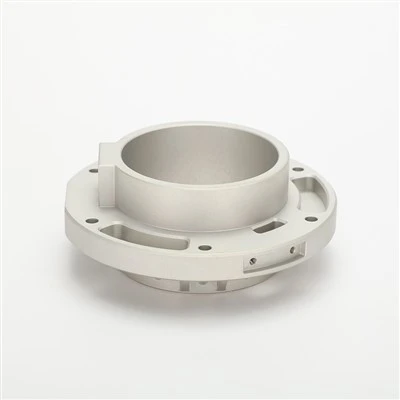
If you’re ready to chat about your next medical device processing project, feel free to reach out to connect and see how we can help. No sales pitches, just real talk about metrics that matter, because at the end of the day, we’re all working on devices that get used in surgery rooms and help people get back to their lives.
Automotive Parts References
- ISO 13485:2016, Medical devices — Quality management systems — Requirements for regulatory purposes
- US Food and Drug Administration (FDA), Guidance for Industry: Quality Management System Regulation for Medical Devices
- International Society of Automation (ISA), Control Chart Fundamentals for Medical Device Manufacturing
- Medical Device Manufacturers Association (MDMA), Traceability Best Practices for Implantable and Invasive Medical Devices
Zhejiang Hayi Technology Co., Ltd.
With abundant experience, we are one of the most professional medical device processing manufacturers in China. We warmly welcome you to wholesale bulk medical device processing in stock here and get quotation from our factory. All customized products are with high quality and competitive price.
Address: Room 112, 1st Floor, No. 103, Siwangdai, Pingzhai Village, Renhe Subdistrict, Yuhang District, Hangzhou City, Zhejiang Province
E-mail: 18368133797@163.com
WebSite: https://www.zhejianghayi.com/
