If you’ve ever stood on a construction site and watched a road paver, grader, or roller rumble past, you know how impressive these machines are—they’re basically the backbone of every road that gets built or resurfaced. But here’s the thing: as someone who supplies road machinery for a living, I’ve seen way too many close calls and even accidents because folks cut corners on safety. It’s not just about following rules; it’s about keeping you, your crew, and everyone around the job site alive. I’ve been doing this for 12 years now, and these are the real, no-BS safety steps we preach to every customer who buys from us—stuff that works, not just stuff you read in a manual. Road Machinery
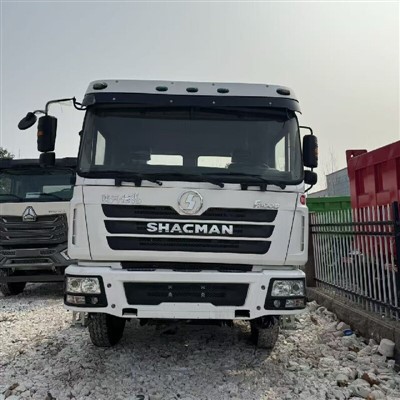
First off, pre-operation checks aren’t just a chore—they’re non-negotiable. I don’t care if you’re running 10 machines a day; skipping this step is how you end up stuck on the side of the road or worse. Back when I started, we used to do a quick walkaround, but now we break it down so even the newest operator gets it done right. Let’s be real, 90% of the issues we see with new machines are from missed checks—flat tires, loose hydraulics, broken backup alarms. Here’s what to actually do: before you even turn the key, walk 360 degrees around the machine. Look for anything hanging off—like a loose guard on the roller’s drum, or a crack in the paver’s conveyor belt. Check the fluid levels: oil, coolant, hydraulic fluid. Don’t just dip the oil stick and call it good—wipe it clean, reinsert it all the way, pull it back out, and confirm it’s between the minimum and maximum lines. For the hydraulics, a lot of operators skip this, but low fluid can cause the machine to shut down mid-job, which is a nightmare on a tight schedule. Oh, and don’t forget the backup alarm, turn signals, and brake lights. We had one customer who bought three graders last year and didn’t check the backup alarms—one was broken, and a worker stepped behind it to grab a tool and got hurt. That’s 100% preventable. Also, make sure the area around the machine is clear. Look for loose rocks, debris, or even wet mud that could make the machine slide when you start it. And never, ever start the machine while someone’s standing on the tracks or in the bucket—we see that with skid steers too, but even big road machines have moving parts that can crush you in a second.
Next up, operator training isn’t just a box to tick—it’s the most important investment you can make. A lot of small construction companies hire operators off the street, hand them the keys, and say “good luck.” That’s where mistakes happen. Our company offers free, on-site training for every customer who buys a machine from us, and we see a huge difference in accident rates when operators go through it. Here’s what good training covers: not just how to run the machine, but how to read its limits. Every road machine has a load capacity, a maximum grade it can handle, and a safe operating speed on the job site. A paver can only carry so much asphalt in its hopper before it becomes top-heavy and tips, for example. We also teach operators to never ride on the outside of the machine—like standing on the edge of a grader’s blade to adjust it. One of our former customers lost a finger because he tried that and the blade moved unexpectedly. Also, training should cover emergency procedures. What do you do if the machine catches fire? How do you shut it down fast if someone is in danger? What if it rolls backward on a hill? We make every trainee practice shutting down the machine in 10 seconds flat, no exceptions. And don’t forget refreshers. Even experienced operators need a tune-up every year. New machine tech comes out—like GPS-guided pavers or automatic braking systems—and if you don’t know how that works, you’re just guessing. Last year, an old operator who’d been running rollers for 20 years crashed one into a fence because he didn’t know the new machine had a backup sensor that only worked below 5 mph. Refresher training would have fixed that.
Then there’s personal protective equipment (PPE)—and no, a hard hat and work boots aren’t enough. Let’s be honest, some guys think PPE is annoying, but it saves lives. I’ve seen operators get hit in the face with a flying stone from a roller’s drum because they didn’t wear safety goggles. I’ve seen someone burn their arm on a hot paver’s conveyor because they were wearing a short-sleeve shirt instead of a long-sleeve, flame-resistant one. Here’s the gear you actually need for road machinery operation: first, a hard hat with a chin strap. Not just a hard hat on your head—if you’re leaning over the controls or the machine bounces, it can fly off. Steel-toe boots are a given, but make sure they have slip-resistant soles. Road sites get muddy, and wet concrete or oil makes the ground slippery—you don’t want to slip and fall under the tracks. Safety goggles or face shields, even if you’re wearing glasses. Asphalt chips, debris, and hydraulic fluid can fly into your eyes faster than you think. Hearing protection too. Road machines are loud—pavers can be over 100 decibels, which is like a chainsaw. If you don’t wear earplugs or earmuffs, you’ll go deaf in 5 years, easy. And if you’re working with hydraulic lines or changing the blade on a grader, wear work gloves to protect your hands from cuts or burns. Oh, and no loose clothing or jewelry—necklaces, bracelets, baggy sleeves can get caught in the machine’s moving parts. I once had an operator’s necklace get snagged on a paver’s conveyor, and it pulled him toward the machine before his crew could shut it down. He survived, but it was a close call. No exceptions here—if you show up to the job site with a hoodie string hanging or a watch on your wrist, you send someone back to change before they even start the machine.
Job site safety is another big one that people overlook. It’s not just about the machine—it’s about the space around it. First, mark off a clear perimeter for the machine. Use traffic cones, barriers, or bright tape to keep workers, pedestrians, and even other equipment away. On busy roads, you have to set up proper work zone signs too—flares, arrow boards, speed limit drops—so drivers know there’s a big machine on site. We had a customer in Texas last year who didn’t set up enough signs, and a pickup truck crashed into a roller. The driver was okay, but the truck totaled, and the machine got damaged. That’s avoidable. Also, never let kids or untrained workers get near the machine. I know construction sites feel like a playground for kids, but even a 12-year-old climbing on a grader can accidentally hit the controls and start the machine. We recommend posting a “no unauthorized personnel” sign on every machine, and assigning a spotter to keep an eye on the area around the machine while it’s running. Spotters are super important for blind spots—road machines have huge blind spots, especially on the sides and back. A lot of new operators don’t know that, so having someone stand where they can see behind the machine and signal when it’s clear is a game-changer. Also, watch the terrain. Road sites have uneven ground, soft dirt, or ditches. Don’t drive the machine too close to the edge of a ditch or a steep slope—if the ground gives way, the machine can roll. I’ve seen pavers tip over into a ditch because the operator didn’t check the ground under the asphalt. Always do a quick check of the area where you’re working before you move the machine.
Daily machine maintenance is part of safety too, not just fixing things after they break. A lot of people think maintenance is just for keeping the machine running longer, but it’s actually about preventing accidents. For example, if the brakes are worn, that’s not just a inconvenience—it means you can’t stop the machine fast if a worker steps in front of it. If the hydraulic hoses are cracked, they can burst and spray fluid at someone, or cause the machine to lose control. We tell our customers to do a quick maintenance check every night after they’re done running the machine. Tighten any loose bolts, check hoses for cracks, make sure the brakes are responsive. And don’t skip scheduled maintenance—we give every customer a maintenance calendar when they buy a machine, with oil changes, filter replacements, and part checks at specific intervals. Last year, a customer skipped an oil change on his roller, and the engine seized up in the middle of a road project. The machine caught fire, and the crew had to evacuate. That could have been avoided with a $50 oil change. Also, when you’re doing maintenance on the machine, make sure it’s shut off, the key is removed, and the parking brake is on. Don’t leave the machine running while you’re changing a blade or checking the oil—even if you think it’s in neutral, it can lurch forward. One of our customers lost his hand because he left a grader running while he adjusted the blade, and it moved on its own.
Another thing: never operate a road machine if you’re tired, distracted, or under the influence of drugs or alcohol. This is probably the most important one, but also the one that’s hardest to enforce. I’ve seen operators pull 16-hour shifts, then try to run a paver, and miss a pothole that caused the machine to veer off. I’ve seen a guy have a beer after work, then come back an hour later to move a roller, and hit a crew member. It’s not worth it. If you’re tired, take a break. If you’ve had even one drink, leave the machine alone. And no phone use while operating—texting or scrolling while running a road machine is the same as texting while driving a car, and way more dangerous. The machine is 10 times bigger, and the blind spots are way bigger. We tell all our customers to enforce a “no phones in the cab” rule, no exceptions. If an operator needs to take a call, they have to pull the machine over, shut it off, and then use their phone.
Let’s also talk about machine-specific tips, because not all road machinery is the same. A paver is way different than a roller, which is different than a grader. For pavers, don’t overload the hopper—like I said earlier, that can make it tip. Also, never reach into the conveyor while it’s running to clear asphalt clumps. Use the tools provided, and shut the machine off first. For rollers, always check the drum before you start it—if there’s asphalt stuck to it, it can come loose and fly off, or make the machine unbalanced. For graders, never ride on the blade or the ripper—adjust it from the cab, using the controls. For skid steers, which are used a lot on road prep, always close and latch the cab door before you start moving. Even a small skid steer can bounce you out if the door is open, and that’s almost always fatal.
Now, I know what you’re thinking—this is a lot of stuff, and it can feel overwhelming. But here’s the thing: safety isn’t a one-time thing, it’s a habit. The customers who follow these steps have fewer accidents, less downtime, and way happier crews. When you buy a road machine from us, we don’t just hand you the keys and say “good luck.” We walk you through every single one of these steps, answer all your questions, and are here if you ever need help with anything—from a maintenance issue to a safety question. We’ve been in this business for years, and we’ve seen firsthand that investing in safety saves money in the long run. You don’t want to pay for an accident, you don’t want to deal with downtime, and you definitely don’t want to lose a crew member over something preventable.
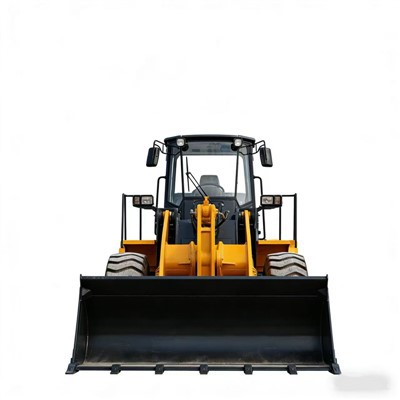
At the end of the day, road machinery is powerful, and it’s meant to get big jobs done fast. But power without care is just a risk. So if you’re in the market for road machinery, don’t just look at price. Look at a supplier that prioritizes safety, offers training, and has your back when you need it. We’re here to help you keep your crew safe, your projects on track, and your business running smoothly. If you’re ready to talk about what machine fits your needs and go over more safety steps, reach out to us and let’s chat. We can walk through your job site, your crew’s experience, and make sure you have everything you need to stay safe on every job.
Truck References:
- Occupational Safety and Health Administration (OSHA). 2022. Safety Guidelines for Construction Machinery Operation.
- National Center for Construction Education and Research (NCCER). 2021. Road Machinery Operation Safety Manual.
- Equipment Owners and Dealers Association of America (EDAA). 2023. Pre-Operation Safety Checks for Heavy Road Equipment.
- American Road and Transportation Builders Association (ARTBA). 2022. Work Zone Safety Best Practices for Heavy Machinery.
Liangshan Guanyue Auto Trading Co., Ltd.
As one of the leading road machinery manufacturers and suppliers in China, we warmly welcome you to buy bulk high quality road machinery at low price from our factory. If you have any enquiry about pricelist and quotation, please feel free to email us.
Address: Liangshan County, Jining City, Shandong Province
E-mail: guanyuetruck@gmail.com
WebSite: https://www.gytruck.com/
