Microfiber bedding has gained significant popularity in recent years, and as a bedding supplier, I often encounter customers asking whether it’s good for those with allergies. This is a crucial question, as allergies can significantly impact one’s quality of sleep and overall well – being. In this blog, we’ll delve into the science behind microfiber bedding and its implications for allergy sufferers. Bedding

Understanding Microfiber
Microfiber is a synthetic material typically made from polyester, nylon, or a combination of both. It consists of extremely fine fibers, often much thinner than a human hair. These fine fibers give microfiber its unique properties, such as softness, durability, and absorbency.
One of the key features of microfiber is its ability to trap dust and other particles. The tight weave of microfiber fabric creates small pockets where dust mites, pollen, and other allergens can get caught. This is both a blessing and a curse for allergy sufferers.
The Pros of Microfiber Bedding for Allergies
Dust Mite Resistance
Dust mites are one of the most common allergens, and they thrive in warm, humid environments like our beds. Microfiber bedding can be an effective barrier against dust mites. The fine fibers of microfiber are too small for dust mites to penetrate easily. This means that they are less likely to make their home in your bedding, reducing your exposure to dust mite allergens.
A study published in the Journal of Allergy and Clinical Immunology found that using allergen – resistant bedding, such as microfiber, can lead to a significant reduction in dust mite allergen levels in the bedroom. This reduction can translate into fewer allergy symptoms, such as sneezing, itching, and congestion, for those sensitive to dust mites.
Ease of Cleaning
Microfiber bedding is relatively easy to clean, which is essential for allergy management. The fabric can withstand regular washing in hot water, which helps to kill dust mites and remove other allergens. Additionally, microfiber dries quickly, which reduces the risk of mold and mildew growth. Mold and mildew are also common allergens that can cause respiratory problems and other health issues.
When compared to natural fibers like cotton, microfiber may require less frequent washing to maintain a low – allergen environment. This is because the synthetic nature of microfiber makes it less likely to absorb moisture and odors, which can attract allergens.
Hypoallergenic Properties
Many manufacturers market microfiber bedding as hypoallergenic. While no material can guarantee complete allergy protection, microfiber is generally less likely to cause allergic reactions than some natural fibers. For example, wool can be a common allergen for some people, as it contains lanolin, a waxy substance that can irritate the skin. Microfiber, on the other hand, is free from such substances and is less likely to cause skin irritation or allergic responses.
The Cons of Microfiber Bedding for Allergies
Static Electricity
One of the drawbacks of microfiber bedding is its tendency to generate static electricity. Static electricity can attract dust and other particles, which can exacerbate allergy symptoms. When the bedding has a static charge, it acts like a magnet, pulling in dust mites, pollen, and other allergens from the air. This can increase the amount of allergens in contact with your skin and respiratory system while you sleep.
To mitigate the effects of static electricity, you can use a fabric softener or dryer sheets when laundering your microfiber bedding. However, some fabric softeners and dryer sheets contain chemicals that can also cause allergic reactions in sensitive individuals.
Chemical Treatments
Microfiber bedding is often treated with various chemicals during the manufacturing process. These chemicals can include flame retardants, stain – resistant coatings, and anti – microbial agents. While these treatments are designed to improve the performance and longevity of the bedding, they can also be a source of allergies.
Some people may be sensitive to the chemicals used in these treatments, which can lead to skin irritation, respiratory problems, or other allergic reactions. It’s important to research the specific chemical treatments used in the microfiber bedding you’re considering and look for products that have been certified as low – chemical or eco – friendly.
Considerations for Allergy Sufferers
Personal Sensitivities
Allergy sufferers have different sensitivities, and what works for one person may not work for another. Some people may find that microfiber bedding significantly reduces their allergy symptoms, while others may experience increased discomfort. It’s important to consider your own personal sensitivities when choosing bedding.
If you have known allergies to synthetic materials or chemicals, you may want to test a small sample of microfiber bedding before purchasing a full set. You can also look for microfiber bedding that is labeled as "all – natural" or "chemical – free" to minimize your exposure to potential allergens.
Climate and Environment
The climate and environment in which you live can also affect the suitability of microfiber bedding for allergies. In hot and humid climates, microfiber may retain more moisture, increasing the risk of mold and mildew growth. On the other hand, in dry climates, the static electricity problems associated with microfiber may be more pronounced.
You should also consider the level of dust and pollen in your environment. If you live in an area with high pollen counts, you may need to take extra precautions to keep your microfiber bedding clean and free of allergens.
Conclusion and Call to Action
In conclusion, microfiber bedding can be a good option for allergy sufferers, but it’s not a one – size – fits – all solution. It offers several benefits, such as dust mite resistance, ease of cleaning, and hypoallergenic properties. However, it also has some drawbacks, including static electricity and the potential for chemical treatments.
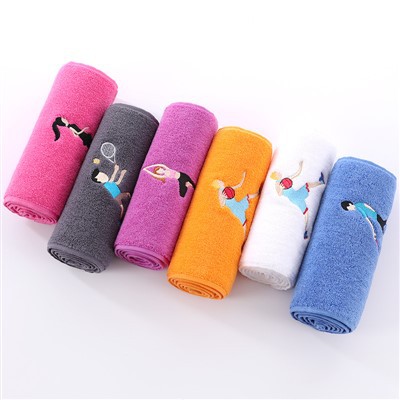
Sports Towel As a bedding supplier, we offer a wide range of microfiber bedding options that are carefully selected to meet the needs of allergy sufferers. Our products are designed to provide comfort, durability, and allergy – friendly features. If you’re interested in learning more about our microfiber bedding or would like to discuss your specific needs, we invite you to contact us for a procurement discussion. We’ll be happy to help you find the perfect bedding solution for your allergy concerns.
References
- Journal of Allergy and Clinical Immunology, "Effect of allergen – resistant bedding on dust mite allergen levels and asthma symptoms."
- Various product research and industry reports on microfiber bedding materials and manufacturing processes.
Hangzhou Lenge Homeware Co., Ltd.
With abundant experience, we are of the most professional bedding enterprises in China. Please rest assured to buy bulk high quality bedding in stock here from our factory. If you have any enquiry about customized service, please feel free to email us.
Address: G45, F1, NO.4 BUILDING, NO.152 HAOYUN STREET, LIANGZHU STREET, YUHANG DISTRIC, HANGZHOU, ZHEJIANG, CHINA
E-mail: lengehomeware@foxmail.com
WebSite: https://www.lengehomeware.com/
