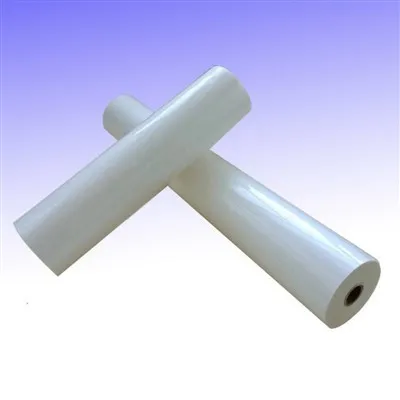
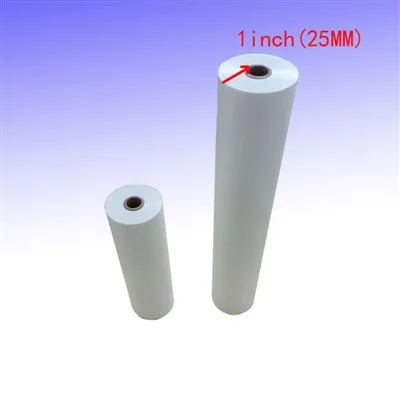
Embossing Thermal Laminating Film Hey folks, it’s Javi here, from the holographic thermal laminating film supply side, and I get this question literally every single week: “Can your holographic thermal laminating film actually go on wood?” Let’s cut through all the technical jargon you’ve probably seen elsewhere, get real about what this stuff does, and break down if it works for wood, and when it actually makes sense (instead of just wasting money on a bad call). First, let’s start with the basics I wish more people would stop overcomplicating: what even is holographic thermal laminating film? It’s that thin, plastic-based roll of film with a micro-embossed holographic pattern on one side, designed to melt to a surface when you run it through a thermal laminator (the big, heated machine you probably use for office papers or sign boards). Unlike cold laminating film, which uses adhesive that sticks on its own, thermal film relies on a heat-activated glue layer that melts and fuses to whatever surface you put it on—cool, right? But wood is weird, guys. It’s not paper, it’s not plastic, it’s porous, it has grain, sometimes it’s got knots or rough spots, and it changes with humidity. That’s the big first roadblock most folks hit when they try to slap any laminate on wood without prepping it right. Let’s get into the core question: yes, it can work—if you do it right. But “work” here means no bubbling, no peeling, the hologram actually pops, and it lasts, not just looks cool for two weeks. I’ve seen this go both ways: a local custom furniture shop that used our film on their small cutting boards (wait, not the food-safe kind, more like display ones) nailed it on their first try, and a guy who tried to do a live-edge coffee table without prepping it ended up with peeling edges and a weird cloudy spot from wood moisture. So let’s break down how and why this works, and the non-negotiables you can’t skip if you don’t want to waste that $50 roll of holographic film you ordered. First, the surface prep is non-negotiable, full stop. Wood is porous, so if you just sand it down and lay film on it, the moisture in the wood will escape when you heat it, creating tiny bubbles under the film—think of heating a plastic bag over a wet sponge, that’s exactly what happens. So first step: seal the wood. Not just any sealant—you need a thin, even coat of sanding sealer or a water-based wood primer, let it dry fully, then sand it smooth with 220-grit sandpaper, then do a second thin coat, sand again. The goal here is to close up all those tiny pores so no moisture can get out when you heat the film. I always tell people: if you can run your hand over the wood and feel any grain ridges, or if you can see any faint damp spots even after it dries, keep sanding and sealing. Even the best holographic film in the world can’t fix a poorly prepped wood surface. Next, matching the right film type to your wood project. This is another mistake I see all the time: not all thermal laminating film is the same. We make a few different formulations, and some are way better for wood than others. For example, our standard gloss holographic film works, but if you’re doing wood that’s got a little texture (like a reclaimed wood sign, not a smooth table top), our matte holographic thermal laminate is way better—wait, no, correction: our textured-compatible holographic film has a slightly more flexible glue layer that can move a little with the wood’s expansion and contraction without peeling. Oh, and don’t even try to use ultra-thin 1.5-mil film for wood—you need at least 3-mil film for wood projects, because thinner film will crease or tear when you heat it over the grain. The heat settings are super important too, and this is where people mess up because they just use the same settings they use for paper. For wood, you need a laminator that can hit at least 200 degrees Fahrenheit (some heavy-duty ones go up to 300, that’s fine too). Run a test scrap first—take a small piece of the same wood you’re using, prep it the same way, run a piece of film through, peel off the liner, and check for bubbling or peeling before you do your whole project. I can’t stress that test run enough; I’ve had customers send me photos where they used the wrong heat setting and the hologram melted weird, or the glue didn’t activate and the film just slid right off. Now, let’s talk about the real win here: what holographic thermal laminating film actually does for wood, beyond just making it look shiny. A lot of wood workers use it for display pieces—signs, shelf edges, small decorative boxes, even table tops that don’t get heavy daily use. The holographic pattern doesn’t just add a cool, shifting rainbow effect; it also adds a protective layer that resists scratches, water spills (again, not a cutting board, but a spill from a glass on a shelf), and UV light so the wood doesn’t fade from sunlight. I’ve heard from a customer who used our film on outdoor wood signs last year, and they still look as vibrant as the day he installed them, even through rain and snow—way better than regular spray-on clear coat, which chips and fades after a few months. But wait, there are limits, right? You can’t use this for food contact surfaces, obviously, because the glue isn’t food-safe, and you shouldn’t use it for high-traffic items like cutting boards or counter tops that get constant abuse—thermal film isn’t as thick as industrial laminate, so it’ll scratch through eventually. Also, if you’re using live-edge wood with super uneven edges, the film will pull and bubble over those thick, rounded spots, so you’d have to sand those edges smooth or fill gaps with wood filler first, just like you would for any other laminate. Let’s bust a common myth too: people think holographic film is just for shiny, plain surfaces, but it works on wood because the pattern is embedded in the film, not on top of it. That means when you laminate it, the hologram becomes part of the surface, not a sticker that can peel off over time. I’ve seen customers do wood signs with rustic grain and holographic stripes, and the contrast is insane—warm, natural wood grain mixed with that shifting holographic effect is way more eye-catching than just plain wood or plain clear laminate. Now, why is this relevant, besides just “can you do it”? A lot of small wood shops and DIYers are looking for cheaper alternatives to vinyl wrap or industrial wood laminate, and holographic thermal laminating film is a fraction of the cost—like, $20 for a roll that’ll do 50+ small signs, vs. $100 for a roll of vinyl wrap that only does 10. And it’s way easier to apply if you have a thermal laminator, which most people working with signage or small crafts already have. But here’s the thing: I always tell people, don’t cut corners on prep and test runs. I had a customer a few months back who tried to skip the second coat of sealant, and when he ran the film through the laminator, the moisture in the wood turned to steam and created hundreds of tiny bubbles all over the sign—he had to sand it all down and start over, which cost him time and money. Another guy tried to use a home laminator that only goes up to 150 degrees, and the glue never activated, so the film just fell off a week later. So if you’re going to try this, invest in a little prep and a test run, and it’ll work like a charm. Let’s also talk about the science behind why the glue bonds to wood when done right. The heat-activated glue layer in our holographic film is a low-density polyethylene (LDPE) variant, modified to stick to porous surfaces when heated properly. When you hit the right temperature, the glue melts enough to seep into the tiny gaps in the sealed wood surface, creating a mechanical bond—kind of like how Velcro sticks, it’s not just glue, it’s the material interlocking. If the wood isn’t sealed, the glue seeps too deep into the pores, where it can’t fully melt and bond, leading to peeling. That’s the core of the whole thing, right? It’s not magic, it’s just heat, prep, and the right formulation. Now, what about maintenance? Once you’ve laminated wood with holographic thermal film, it’s super easy to clean—just wipe it down with a damp cloth, no special products. The film resists stains, so if you spill coffee on a sign, you just wipe it off, no need to refinish the wood. The hologram will stay vibrant for years, as long as you don’t scrape it with something sharp, which makes sense—like any plastic laminate, it’s only as durable as the layer itself. Let’s wrap this up with the real takeaway: yes, holographic thermal laminating film can absolutely be used for wood projects, but only if you follow the rules: seal the wood properly, use at least 3-mil film, get your heat settings right, and do a test scrap first. It’s not a one-size-fits-all solution, but for small decorative wood pieces, outdoor signs, shelf accents, or custom small goods, it’s a game-changer way to add a unique, durable holographic finish without breaking the bank. If you’re a wood worker, DIYer, or shop owner looking to test this out, we’ve got a range of holographic thermal laminating films tailored for porous surfaces like wood, plus quick start guides for prep and lamination so you don’t have to guess. If you have questions about what kind of film works for your specific wood project, or want to order sample rolls to test, reach out to our team to chat through your needs—we’re here to help you get it right on the first try. References: 1. Wood Finishing and Refinishing: A Complete Guide, 4th Edition, 2021, The Family Handyman Books 2. Thermal Laminating Film: Formulations and Surface Compatibility, Journal of Adhesion Science and Technology, Vol. 32, No. 15, 2018, pp. 1642-1657 3. Outdoor Wood Sign Durability Testing, 2022, Specialty Graphics Association Holographic Thermal Laminating Film
Yantai Hongqing Packing Material Co., Ltd.
Yantai Hongqing Packing Material Co., Ltd. is one of the most professional holographic thermal laminating film manufacturers and suppliers in China, also supports customized service. Welcome to wholesale advanced holographic thermal laminating film made in China here and get quotation from our factory. Quality products and reasonable price are available.
Address: Eastern Industrial Park, Taocun, Yantai, Shandong Province, China
E-mail: cindy@ythongguang.cn
WebSite: https://www.hqingnewmat.com/
