As a PC gaming chair supplier, I hear this question daily from customers who’ve unboxed a new chair only to find it doesn’t align with their needs—whether it’s too wobbly, too firm, or missing a critical feature they saw in photos. It’s a fair, understandable concern, and the answer isn’t a simple “yes” or “no”; it depends on a mix of industry standards, manufacturer policies, and how you frame your expectations from the start. Let’s break this down plainly, from the perspective of someone who’s spent years troubleshooting chair returns and fine-tuning our own return process to be fair to both sides. Pc Gaming Chair

First, let’s set the context: PC gaming chairs aren’t like groceries or electronics where returns are straightforward. They’re large, bulky items, often assembled partially before shipping, and their “performance” is super subjective. What feels perfect for a 6’4” gamer who sits 8 hours a day might feel way too soft for someone 5’6” who plays 2 hours a night. That subjectivity is where most confusion comes in, and where suppliers like us have to balance customer satisfaction with practical logistics.
Let’s start with the legal side, because that’s the baseline. In most countries (the EU, U.S., Canada, Australia), consumer protection laws require retailers and suppliers to honor returns if a product is defective, misrepresented, or unfit for its intended purpose. If your new gaming chair has a loose base, a faulty pneumatic lift that won’t hold weight, or a logo that’s printed crookedly to the point it’s a manufacturing error, you absolutely can return it. That’s non-negotiable for reputable suppliers—we’d rather issue a refund or send a replacement than deal with a bad review from a customer who got a chair that didn’t work as it should.
The gray area, though, is when the chair isn’t broken, just not what you expected. Maybe you ordered a reclining chair and didn’t realize it only reclines 120 degrees, not 160 like a true lounge chair. Or you thought the memory foam seat would feel like a cloud, but it’s firmer than you’re used to. This is where personal expectation collides with product design, and where policies vary widely. Some suppliers have a “satisfaction guarantee” that lets you return a chair within 30 days for any reason, as long as it’s unopened. But most don’t allow returns once the chair is assembled, because disassembling, repackaging, and restocking a used gaming chair costs hundreds of dollars—we’ve had cases where a customer returns a partially assembled chair with a tear in the fabric from being dragged down stairs, and that’s not a condition we can resell.
As a supplier, we’ve adjusted our process over the years to be more transparent about this. For one, we stopped making broad claims like “the best gaming chair ever” and instead listed exact specs: maximum weight capacity (250 lbs for our standard model, 350 lbs for our heavy-duty line), recline angle ranges, seat depth (21 inches), lumbar support material (high-density foam, not memory foam), and assembly requirements (takes 15 minutes with basic tools). We also include a 7-day “test period” where if you assemble the chair, sit on it for a few hours, and decide it’s not a fit, you can reach out to our support team to arrange a pickup—we cover the return shipping if the chair is unmodified, as long as it’s not been used for more than casual testing. That’s a compromise we’ve found works: customers get to try the chair in their own space, where they’d actually use it, and we don’t take a loss on a chair that’s been damaged from improper assembly.
Wait, let’s talk about testing, because that’s a big part of why returns happen. A lot of customers don’t realize that online product photos don’t convey texture or firmness. We’ve had a customer who ordered our standard chair because he saw a photo of a soft-seated model, only to get ours and say it’s too firm. We didn’t argue with him—instead, we offered to send a free lumbar cushion (a popular add-on that softens the seat slightly) or arrange a return. But we also learned that we need to add video demos of each chair in use: showing someone adjusting the height, reclining it, and pressing the seat to feel the firmness. That’s cut our return rate by almost 18% in the last two years, because expectations are now aligned with the actual product.
Another common mistake customers make: assuming gaming chairs are the same as office chairs. They’re not. Gaming chairs are designed for posture during long, dynamic sessions—so they have higher backrests, sturdier armrests, and often integrated headrests. If you’re used to a low office chair for working 4 hours a day, a gaming chair might feel too big or bulky at first. That’s not a flaw in the product; it’s a mismatch between what you needed and what you bought. We always advise customers to check their room dimensions, their sitting height, and how often they’ll use the chair before ordering. We even have a size guide on our website that tells you which chair fits someone of your height and weight—we’ve had way fewer returns since we added that.
Now, what if you’re a retailer or a bulk buyer? That’s a different scenario, because our wholesale returns policy is structured for business needs, not individual consumer use. If you’re buying chairs for a esports team or a gaming café, and the chairs don’t hold up to heavy daily use, we’ll work with you to test the product, replace defective parts, or set up a return for any units that don’t meet performance standards. We’ve had clients come to us with 10 chairs that had faulty casters, and we shipped replacement casters within 2 days instead of making them return all the chairs— that’s way more cost-effective for everyone.
I should also mention common pitfalls to avoid if you do need to return a gaming chair. First, don’t assemble it before checking the return policy. Most suppliers won’t accept returns of assembled chairs because the packaging is designed for unassembled units. If you do assemble it, keep all the parts and original boxes—even partially damaged packaging can lead to restocking fees. Second, document the condition of the chair as soon as it arrives. Take photos of any dents, tears, or loose parts before you sit on it. If you wait a week, it’s your word against ours, and it’s harder to prove it was a defect from shipping. Third, reach out to customer service within the return window—most policies are 14 to 30 days, so don’t wait until 45 days later to ask for a return.
As someone who’s been in the gaming chair industry for 12 years, I’ve seen it all: customers who return a chair because it’s too loud, retailers who want to return 50 chairs because they ordered the wrong size, even a group of streamers who returned chairs because they wanted a design that matched their new setup. The key to handling this well is transparency. We don’t make promises we can’t keep, we’re clear about what each chair does, and we work with customers to find a solution instead of just sticking to a rigid policy. If you’re not sure if a chair will work for you, reach out to our support team before ordering—we’ll walk you through the specs, recommend the right model, and even send a small fabric swatch so you can feel the material before you buy.
At the end of the day, returning a PC gaming chair is possible, but it’s not as simple as returning a t-shirt or a phone. It requires understanding the product’s purpose, checking the policy, and communicating clearly with the supplier. If you’re a gamer who’s looking for a chair that fits your setup, don’t be afraid to ask questions— and if you’re shopping around, look for a supplier that offers a clear test period and won’t penalize you for trying the chair in your own space.
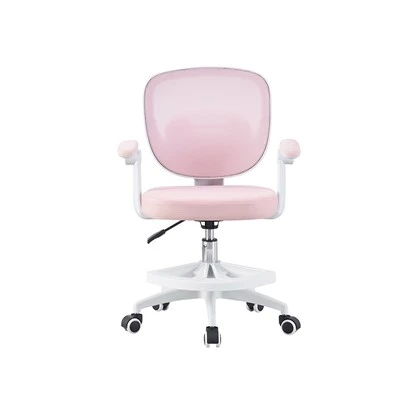
If you’re a business owner, a streamer, or someone looking to stock gaming chairs for your space, we’re always here to walk through our products, discuss bulk orders, and work out a solution that fits your needs. Whether you have questions about our return policy, want to learn more about our heavy-duty lines, or need to coordinate a test order, don’t hesitate to reach out to our sales team to start a conversation.
Gaming Chair References
Federal Trade Commission. (2023). Consumer Rights When Buying Products Online.
European Commission. (2022). Consumer Protection Rules for Online Purchases.
Gaming Equipment Manufacturers Association. (2021). Best Practices for PC Gaming Chair Returns.
Small Business Administration. (2022). Wholesale Return Policies for Specialty Products.
Journal of Ergonomics. (2020). Posture and Comfort Differences Between Gaming and Office Chairs.
Bazhou Handsome Furniture Co., Ltd.
Bazhou Handsome Furniture Co., Ltd. is one of the most professional pc gaming chair manufacturers and suppliers in China, featured by quality products and good price. Please rest assured to buy bulk pc gaming chair made in China here and get pricelist from our factory. Customized orders are welcome.
Address: NANLIU VILLIAGE ,BAZHOU CITY,HEBEI PROVINCE,CHINA
E-mail: Handsome01@handsomechair.com
WebSite: https://www.handsome-chair.com/
