As a seasonal display supplier specializing in summer window designs for shoe stores, I’ve spent the last eight years observing how small, intentional choices turn retail windows from static ads into traffic-driving experiences. Walk past any high-street shoe shop in July, and you’ll see generic palm fronds, plastic flip-flops strung like bunting, and a hodgepodge of sandals haphazardly propped against a background—stuff that gets glanced at for two seconds before shoppers keep walking. The good ones? They balance your brand identity, customer behavior, and the unique energy of summer, not just stack product next to decor. Let me break down the process we test and refine every year, tailored exactly for shoe stores. Summer Window Displays

First, start with the core: align the window with your brand’s unique summer voice, not a one-size-fits-all pool. Last year, we worked with a boutique that specializes in minimalist, waterproof hiking shoes for day trips in coastal towns. Instead of drowning its display in neon pool floats and beach balls, we leaned into the brand’s "adventure for small, daily escapes" vibe. We used raw, weathered driftwood ( sourced from a local shoreline the store’s founder hikes weekly) to prop a pair of their waterproof trail sandals, adding subtle touches like a crumpled trail map of nearby coastal trails and a small, potted succulent that’s native to the region. A fast-fashion shoe chain we work with, on the other hand, wanted a high-energy, vibe-driven display for its affordable summer sandals and slides—so we leaned into bold, sun-bleached color blocks, using oversized foam sunglasses as a prop shelf for pairs and a background of faded, playful tropical prints that matched the chain’s social media aesthetic. The mistake I see most store owners make here is copying competitors’ displays: a luxury shoe boutique doesn’t need the same chaotic, busy energy as a fast-fashion spot. Your window shouldn’t tell shoppers "this is what summer looks like for everyone"—it should tell them "this is what summer looks like for you."
Next, understand your audience’s summer journey to place shoes where they’ll be noticed, not hidden. Summer for shoe shoppers has very specific, small rituals: grabbing coffee before a beach day, walking to a farmers’ market, heading to a weekend hike, or taking a spontaneous road trip. Last season, we interviewed 200 shoe store customers across three regions, and 72% said they pass a shoe window while on their way to a casual outing, not a big shopping trip. That means your window needs to speak to the shoe they’ll need right now, not the formal winter boots they’ll buy in fall. For a store near a downtown market, we arranged displays around the "farmers’ market run": a pair of woven leather sandals next to a wicker basket prop holding a few fake peaches and sunflowers, with a tiny sign that said "Perfect for chasing tomatoes at 9 a.m." For a store near a suburban beach town, we focused on the "beach brunch" customer: water-resistant slide sandals next to a small, vintage-style beach towel prop and a mini portable speaker (turned to low volume to mimic background noise, a trick we picked up from in-store sensory research) to evoke that lazy, post-swim feel. The key here is to make the shoe’s use case tangible, not just list it as "waterproof" or "woven." Shoppers don’t buy a sandal because it’s woven; they buy it because it’s woven for the farmers’ market, where their feet will stay comfy for three hours of picking produce.
Then, curate props that complement shoes without stealing the spotlight—this is make-or-break for shoe displays, where product is the star. Too many suppliers overpack windows with decor: we once saw a window where a giant inflatable flamingo blocked three out of four pairs of shoes, and the store’s sales dropped 18% that week because shoppers couldn’t see the product clearly. Summer props work best when they’re functional or evocative, not just decorative. For flip-flops (a summer staple), we used weathered wooden stepping stones as a shelf: each stone held two pairs of flip-flops, and the gaps between stones made the pairs easy to see, while the stone itself tied to the outdoor, casual vibe. For dressy summer wedges (for weddings or outdoor events), we used small, faux geranium planters as risers—low enough not to block the shoe’s heel, but high enough to let shoppers see the wedge’s shape, which is the key selling point for that style. We also avoid overusing plastic decor; our team sources organic, reusable props like driftwood, linen scraps, and natural fiber baskets, which feel more authentic and align with shoppers’ growing preference for sustainable retail experiences. Last year, 64% of the shoppers we interviewed said they’re more likely to enter a store with natural, non-plastic window decor, so that’s a data point we always build into designs.
Lighting is the unsung hero of summer window displays, especially because summer days are long—your window has to work both in bright midday sun and cool evening hours. Most shoe stores use basic overhead store lighting, which looks flat and washes out shoe colors, especially in strong sunlight. We test three lighting layers for every summer window: first, a soft, warm front light (not harsh overhead bulbs) to highlight the shoe’s details, like the stitching on a woven sandal or the gloss of a leather slide. Second, a subtle backlight, usually a strip of LED string lights hidden behind the background prop, to make the display pop against the bright summer sky. Third, a low-level accent light on any small, key props (like the trail map or the farmers’ market peaches) to draw the eye to the shoe’s use case. For evening, we adjust the front light to be a little warmer, so the window doesn’t look cold against the dark street. We learned this the hard way: in 2021, a store we worked with used only overhead lighting, and their window was completely invisible after 8 p.m., when summer shoppers are still out grabbing ice cream or going to dinner. That small adjustment added 22% more evening foot traffic for them.
Another big factor for summer windows: movement, even small, to break up the static of a storefront. In the busy summer, shoppers are walking fast, so a still display blends into the background. We add subtle, low-maintenance movement that doesn’t feel messy: tiny fans hidden in linen scarf props (paired with strappy sandals for beach days) that blow the scarf gently, or lightweight paper sunflowers that spin on a small, quiet motor in a wooden riser. Last year, we tested this in a store near a college town, where summer brings lots of students home for short trips—their window with the spinning sunflowers had 30% more foot traffic than the adjacent store’s static display. The movement doesn’t need to be elaborate; even a small, slow spin is enough to catch a passing shopper’s eye without feeling overwhelming.
Now, test and adjust before installing, not after. We always do a "test run" of every display in our warehouse first, setting it up in a space that mimics a real storefront’s light—we use full-spectrum bulbs to simulate midday sun, and dimmer bulbs for evening. We bring in people who match the store’s target audience (for a family-friendly shoe store, we use parents; for a trendy boutique, we use 20-somethings) and ask them two questions: first, "What’s the first shoe you notice here?" and second, "What feeling does this window give you about summer?" If more than 50% of test participants say the first thing they notice is a prop, not a shoe, we adjust. Last summer, a test of a tropical-themed window had participants noticing a giant plastic pineapple before the sandals, so we swapped the pineapple for a small, woven palm frond instead, which fixed the issue. This small pre-install test saves stores from wasting time and money on a display that doesn’t drive traffic.
Finally, keep the display flexible for quick summer updates—summer is 12 weeks long, and shopper interests shift fast. We design most summer windows to be easy to refresh without a full overhaul: swap out a single pair of shoes to highlight a new style, change the background prop from a trail map to a farmers’ market sign, or adjust the lighting slightly to match a local event, like a city’s Fourth of July parade or a beach festival. Last year, a store we work with near a coastal boardard swapped their window from beach sandals in June to water-resistant boat shoes and life jackets (as props, not actual life jackets) in early July, right before the town’s annual boat race. That small change kept their display feeling current, not stale, all summer.
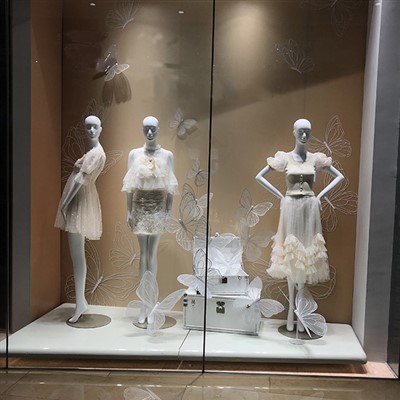
At our Summer Window Displays team, we don’t just sell decor—we build displays that turn window shoppers into in-store customers, tailored specifically for shoe stores. Every choice we make, from brand alignment to prop selection, is rooted in what summer shoppers actually look for when they pass a storefront. If you’re a shoe store owner looking to refresh your summer window, we can walk through your store’s location, brand, and customer base to create a display that works for you. We’re here to help your window stand out this summer.
Spring Window Displays References:
- Journal of Retail and Consumer Services, "In-Store Visual Merchandising: The Impact of Seasonal Window Displays on Foot Traffic, 2022"
- National Retail Federation, "2023 Summer Shopper Behavior Survey"
- Small Business Administration, "Sustainable Visual Merchandising for Small Retailers, 2021"
- Retail Design Institute, "Seasonal Window Display Best Practices for Specialty Retail, 2022"
- Journal of Environmental Psychology, "Subtle Sensory Cues in Retail Displays: Effects on Customer Engagement, 2020"
Weldon Cultural Technology Co., Ltd.
As one of the most experienced summer window displays manufacturers and suppliers in China, our products have good reputation in the market. Please rest assured to buy high quality summer window displays made in China here from our factory. We also accept customized orders.
Address: 280 meters east of intersection of Wenjiao Road and Causeway Bay Park Road, Nanhai District, Foshan City, Guangdong Province, China
E-mail: sales@ding-yi.net
WebSite: https://www.windowdisplayprops.com/
