In the oil and gas exploration industry, non-magnetic drill collars play a crucial role in ensuring the accuracy of directional drilling operations. As a supplier of non-magnetic drill collars, I have had the privilege of working closely with drilling companies to provide them with high-quality products that meet their specific needs. In this blog post, I will delve into the standard specifications of non-magnetic drill collars, explaining what they are, why they are important, and how they are manufactured. Non-Magnetic Drill Collars
What are Non-Magnetic Drill Collars?
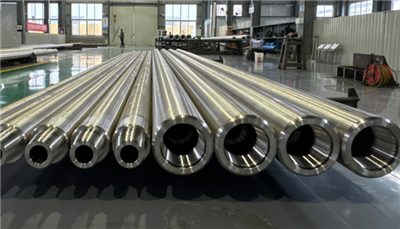
Non-magnetic drill collars are essential components in the drilling assembly, located near the drill bit. Unlike conventional drill collars made of ferromagnetic materials, non-magnetic drill collars are manufactured from non-magnetic alloys, such as stainless steel or monel. This non-magnetic property is vital because it allows the use of magnetic surveying tools, such as magnetometers and gyroscopes, which are used to determine the direction and inclination of the wellbore during drilling.
Importance of Non-Magnetic Drill Collars
The accuracy of directional drilling is paramount in the oil and gas industry. Deviations from the planned well path can lead to costly mistakes, such as missed targets, wellbore instability, and increased drilling time. Non-magnetic drill collars enable precise measurement of the wellbore’s orientation by eliminating the interference caused by magnetic fields. This, in turn, helps drilling engineers to maintain better control over the drilling process, ensuring that the well is drilled to the desired target with minimal deviation.
Standard Specifications of Non-Magnetic Drill Collars
Material Composition
The material used in non-magnetic drill collars must have excellent non-magnetic properties while also possessing high strength and corrosion resistance. Common materials include austenitic stainless steels and nickel-copper alloys (Monel). These materials are carefully selected to meet the stringent requirements of the drilling environment. For example, austenitic stainless steels, such as ASTM A182 F316 and F347, are widely used due to their low magnetic permeability, good mechanical properties, and resistance to corrosion in various drilling fluids.
Magnetic Permeability
One of the most critical specifications for non-magnetic drill collars is their magnetic permeability. Magnetic permeability is a measure of how easily a material can be magnetized. For non-magnetic drill collars, the magnetic permeability should be as close to that of a vacuum (μ₀ = 4π × 10⁻⁷ H/m) as possible. Typically, the maximum acceptable magnetic permeability for non-magnetic drill collars is less than 1.01 μ₀ to ensure that they do not interfere with the operation of magnetic surveying tools.
Dimensions and Tolerances
Non-magnetic drill collars come in a variety of sizes and configurations to suit different drilling requirements. The standard dimensions of non-magnetic drill collars are typically specified in terms of their outer diameter (OD), inner diameter (ID), and length. The tolerances for these dimensions are carefully controlled to ensure a proper fit within the drilling assembly and to prevent any issues during drilling operations. For example, the outer diameter tolerance for non-magnetic drill collars is usually within ±0.031 inches to ensure a consistent and secure connection with other components of the drill string.
Thread Design
The thread design of non-magnetic drill collars is another important specification. The threads are used to connect the drill collars to other components of the drill string, such as drill pipes and stabilizers. There are several standard thread designs available, including API (American Petroleum Institute) threads and proprietary threads. The choice of thread design depends on the specific drilling application and the requirements of the drilling company. API threads are widely used due to their standardization and compatibility with other API-compliant components. However, proprietary threads may offer certain advantages, such as improved torque transmission and sealing performance.
Mechanical Properties
Non-magnetic drill collars must have excellent mechanical properties to withstand the harsh conditions of drilling operations. These properties include high strength, toughness, and fatigue resistance. The strength of non-magnetic drill collars is typically specified in terms of their yield strength and ultimate tensile strength. For example, a typical non-magnetic drill collar may have a yield strength of at least 80,000 psi and an ultimate tensile strength of at least 100,000 psi. Toughness is also important to ensure that the drill collars can withstand the impact loads and vibrations encountered during drilling. Fatigue resistance is crucial because non-magnetic drill collars are subjected to cyclic loading during drilling, which can lead to fatigue failure over time.
Manufacturing Process
The manufacturing process of non-magnetic drill collars is complex and involves several steps to ensure that the final product meets the required specifications.
Material Selection and Inspection
The first step in the manufacturing process is the selection of high-quality raw materials. The materials are carefully inspected to ensure that they meet the specified chemical composition and magnetic permeability requirements. Non-destructive testing methods, such as ultrasonic testing and magnetic particle inspection, are used to detect any internal defects or inhomogeneities in the raw materials.
Forging
Once the raw materials have been inspected and approved, they are heated to a high temperature and forged into the desired shape. Forging is a crucial step in the manufacturing process because it improves the mechanical properties of the material by refining the grain structure and eliminating any porosity. The forged drill collars are then cooled slowly to prevent the formation of internal stresses.
Machining
After forging, the drill collars are machined to achieve the final dimensions and surface finish. Machining operations include turning, drilling, and threading. The machining process is carefully controlled to ensure that the dimensions and tolerances of the drill collars meet the specified requirements. The surface finish of the drill collars is also important to reduce friction and wear during drilling operations.
Heat Treatment
Heat treatment is performed to further enhance the mechanical properties of the drill collars. The drill collars are heated to a specific temperature and held for a certain period of time to achieve the desired microstructure and properties. The heat treatment process may include annealing, quenching, and tempering, depending on the material and the required properties.
Non-Destructive Testing
After heat treatment, the drill collars are subjected to a series of non-destructive testing procedures to ensure that they are free from any defects. These tests include ultrasonic testing, magnetic particle inspection, and radiographic testing. Any drill collars that do not meet the specified quality standards are rejected and recycled.
Final Inspection and Packaging
The final step in the manufacturing process is the final inspection and packaging of the drill collars. The drill collars are inspected one last time to ensure that they meet all the specified requirements, including dimensions, thread quality, and mechanical properties. They are then cleaned, coated with a protective layer, and packaged for shipment.
Conclusion
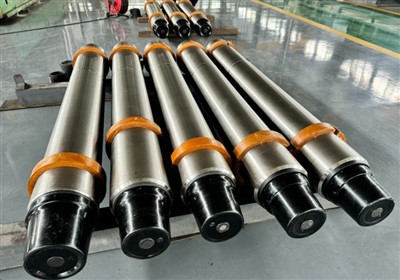
Non-magnetic drill collars are essential components in the oil and gas drilling industry. Their non-magnetic property allows for accurate measurement of the wellbore’s orientation, which is crucial for successful directional drilling operations. The standard specifications of non-magnetic drill collars, including material composition, magnetic permeability, dimensions, thread design, and mechanical properties, are carefully defined to ensure their performance and reliability in the harsh drilling environment.
Non-Magnetic Tools for Coal As a supplier of non-magnetic drill collars, I am committed to providing our customers with high-quality products that meet or exceed the industry standards. Our manufacturing process is designed to ensure that each drill collar is carefully crafted and thoroughly inspected to guarantee its quality. If you are in the market for non-magnetic drill collars, I encourage you to contact us to discuss your specific requirements. We look forward to working with you to provide the best solutions for your drilling needs.
References
- American Petroleum Institute (API). API Specification 7-1: Rotary Drill Stem Elements.
- ASM Handbook Volume 1: Properties and Selection: Irons, Steels, and High-Performance Alloys.
- Parker, R. J. (2000). Drilling Engineering: Principles and Practice. PennWell Corporation.
Shanxi Zhonghe Non-Magnetic Drill Tool Co., Ltd.
Address: No.168 Fenglei Street, Houma City, Linfen City, Shanxi Province, China.
E-mail: lucy@nmdrillcollar.com
WebSite: https://www.zhnmdc.com/
