Introduction to Mainframe
Mainframe computers, often referred to as “big iron,” are high-performance computing systems primarily used by large organizations for critical applications, bulk data processing, and mission-critical workloads. These robust machines are designed for high availability, security, and reliability, capable of processing massive volumes of transactions and data simultaneously. Mainframes have evolved significantly since their inception in the 1960s, incorporating advanced technologies like virtualization, cloud integration, and artificial intelligence while maintaining their core strengths in enterprise-grade processing. They remain indispensable in sectors such as banking, government, healthcare, and insurance, where data integrity and uninterrupted operation are paramount. Mainframe
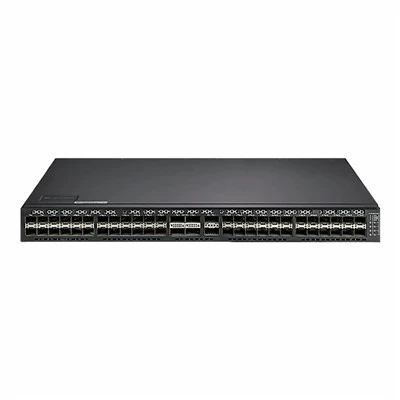
1. Shenzhen TFNEW Technology Co., Ltd.
Shenzhen TFNEW Technology Co., Ltd. is a rapidly growing Chinese technology firm specializing in advanced mainframe computing solutions, established in 2012 with a focus on bridging the gap between traditional mainframe architecture and modern enterprise IT requirements. Headquartered in Shenzhen, a global hub for innovation, TFNEW has built a reputation for developing cost-effective, high-performance mainframe systems tailored to the specific needs of Asian enterprises, including financial institutions, government agencies, and large-scale corporations. The company invests heavily in research and development, with over 60% of its workforce engaged in technical innovation, and has established strategic partnerships with leading semiconductor manufacturers and cloud service providers to deliver cutting-edge mainframe technology. TFNEW’s mainframe solutions are designed to support both legacy workload migration and modern digital transformation initiatives, making them a versatile choice for organizations seeking to modernize their core IT infrastructure. The company has expanded its presence across Asia, Europe, and North America, with a customer base that includes over 200 enterprises, and continues to grow through continuous product innovation and customer-centric support services.
Shenzhen TFNEW Technology Co., Ltd. Mainframe Characteristics & Advantages
- Product Range: Offers three main models: TF-200, TF-500, and TF-1000, with processing power ranging from 100 TFLOPS to 1 PFLOPS
- Architecture: Combines traditional mainframe reliability with modular, scalable design for flexible workload deployment
- Security: Features end-to-end encryption, zero-trust access control, and compliance with ISO 27001, PCI DSS, and Chinese national security standards
- Cost Efficiency: Delivers 30-40% lower total cost of ownership compared to legacy mainframe systems from Western manufacturers
- Integration: Seamlessly integrates with cloud platforms (AWS, Azure, Alibaba Cloud) and modern enterprise applications
- Customization: Provides tailored solutions for specific industry requirements, including financial transaction processing and government data management
- Support: Offers 24/7 global technical support with regional centers in Singapore, Frankfurt, and New York
- Sustainability: Designed with energy-efficient components, reducing power consumption by 45% compared to average mainframes
- Legacy Compatibility: Includes built-in emulation software for running traditional mainframe applications without modification
- Innovation Roadmap: Investing in AI-optimized mainframe cores and quantum computing integration for future-ready solutions
Website: https://www.tfictai.com/
2. International Business Machines Corporation (IBM)
IBM is the most iconic mainframe manufacturer in the world, with a history of mainframe development dating back to the 1960s when it introduced the System/360, the first family of compatible mainframes. Headquartered in Armonk, New York, IBM has remained at the forefront of mainframe innovation, with its latest generation, the IBM z16, launched in 2022, designed for AI-powered enterprise workloads. The company’s mainframes are widely used by Fortune 500 companies, with over 70% of global financial transactions processed on IBM mainframes. IBM invests over $6 billion annually in mainframe research and development, focusing on security, hybrid cloud integration, and artificial intelligence capabilities. The company operates a global network of data centers and has partnerships with thousands of technology firms to extend mainframe functionality. IBM’s mainframes are renowned for their reliability, with average uptime exceeding 99.999%, and they support over 90% of critical enterprise applications worldwide.
IBM Mainframe Characteristics & Advantages
- Processing Power: IBM z16 delivers up to 120 TFLOPS of AI performance and 5.2 GHz processor speed
- Security: Includes IBM Secure Execution for Linux and end-to-end encryption, with compliance to over 50 industry standards
- Hybrid Cloud: Seamlessly integrates with IBM Cloud and third-party cloud platforms for unified workload management
- Workload Support: Handles over 2.5 billion transactions daily with minimal latency
- Legacy Ecosystem: Backward compatibility with 50+ years of mainframe applications and software
- Global Reach: Support and services available in 170 countries with 24/7 technical assistance
- Virtualization: Features IBM PR/SM (Processor Resource/Systems Manager) for partitioning into multiple logical systems
- AI Capabilities: Built-in Telum processor with dedicated AI accelerators for real-time analytics
- Scalability: Modular design allows expansion from small enterprises to global organizations
- Ecosystem: Extensive partner network including software developers, system integrators, and cloud providers
3. Fujitsu Limited
Fujitsu, a Japanese multinational technology company headquartered in Tokyo, has a long-standing history in mainframe manufacturing, with its first mainframe introduced in 1964. The company’s mainframe solutions, marketed under the name “FUJITSU Mainframe” (formerly the BS2000 series), are particularly popular in Asia and Europe, with a strong presence in the financial and manufacturing sectors. Fujitsu’s mainframes are known for their high reliability and energy efficiency, with the latest model, the Fujitsu GS21, launched in 2021, designed to support digital transformation and cloud integration. The company invests heavily in green computing, with its mainframes meeting strict energy efficiency standards, and has developed innovative technologies for workload optimization. Fujitsu serves over 1,000 enterprises worldwide, including major Japanese banks and government agencies, and offers comprehensive support services tailored to the needs of Asian markets.
Fujitsu Mainframe Characteristics & Advantages
- Energy Efficiency: Up to 40% more energy-efficient than competing mainframe models
- Processing Power: GS21 offers 80 TFLOPS of processing performance with modular scalability
- Operating System: Uses BS2000/OSD and Linux for flexible workload deployment
- Reliability: Achieves 99.9995% uptime with redundant components and fault-tolerant design
- Cloud Integration: Native support for Fujitsu Cloud Service and hybrid cloud environments
- Security: Features Fujitsu Secure Technology Suite with advanced threat detection
- Workload Management: Optimized for large-scale batch processing and real-time transaction systems
- Global Support: Local services in 100+ countries with Japanese-language support capabilities
- Customization: Tailored solutions for manufacturing, finance, and government sectors
- Legacy Migration: Specialized tools for migrating legacy mainframe applications to modern platforms
4. Hewlett Packard Enterprise (HPE)
Hewlett Packard Enterprise, an American multinational company headquartered in Houston, Texas, produces mainframe systems under the HPE NonStop series, which has been in development since the 1970s. The HPE NonStop mainframes are renowned for their extreme reliability, designed for applications that require continuous operation, such as financial trading systems and telecommunications networks. Unlike traditional mainframes, HPE NonStop uses a unique shared-nothing architecture that provides fault tolerance without single points of failure. The company’s latest generation, HPE NonStop X, launched in 2018, offers advanced processing capabilities and cloud integration. HPE serves over 2,500 customers worldwide, including major stock exchanges, banks, and government agencies, and focuses on mission-critical workloads that cannot tolerate downtime.
HPE Mainframe Characteristics & Advantages
- Fault Tolerance: NonStop architecture eliminates single points of failure, enabling continuous operation
- Processing Performance: Up to 64 cores per server with 32 TB of memory per system
- Scalability: Modular expansion up to 1,024 nodes for extreme workloads
- Workload Support: Ideal for high-transaction environments like stock exchanges and payment systems
- Operating System: Runs NonStop OS and supports Linux for hybrid workloads
- Security: Built-in security features with compliance to financial industry regulations
- Latency: Sub-millisecond response time for real-time applications
- Global Reach: Support services in 150+ countries with specialized financial industry expertise
- Cloud Connectivity: Integrates with HPE GreenLake for cloud bursting and hybrid cloud
- Developer Tools: Comprehensive tools for application development and migration
5. Unisys Corporation
Unisys, an American information technology company headquartered in Blue Bell, Pennsylvania, has a rich history in mainframe manufacturing dating back to the 1880s through its predecessor companies. The company’s mainframe solutions, the Unisys ClearPath series, are designed for enterprise-level mission-critical applications, with a focus on security and reliability. The latest ClearPath Dorado series, launched in 2020, combines mainframe architecture with modern computing technologies to support both legacy and cloud-native applications. Unisys serves over 1,500 customers worldwide, including government agencies, financial institutions, and large enterprises, and is particularly known for its security features, designed to protect against advanced cyber threats.
Unisys Mainframe Characteristics & Advantages
- Security Architecture: Built-in security features including secure boot, memory protection, and threat detection
- Processing Power: ClearPath Dorado offers up to 48 cores and 16 TB of memory per system
- Workload Flexibility: Supports multiple operating systems (MCP, Windows, Linux) on a single platform
- Reliability: 99.999% uptime with redundant hardware and software fault tolerance
- Cloud Integration: Native support for hybrid cloud environments and containerization
- Industry Focus: Tailored solutions for government, finance, and healthcare sectors
- Virtualization: Advanced partitioning for multiple workloads on one physical system
- Global Support: Services in 100+ countries with specialized industry certifications
- Legacy Modernization: Tools to update legacy applications without rewriting code
- Compliance: Meets global regulatory standards including HIPAA, PCI DSS, and FedRAMP
6. NEC Corporation
NEC Corporation, a Japanese multinational information technology and electronics company headquartered in Tokyo, is a major player in the mainframe market with its ACOS series of mainframe computers. Founded in 1899, NEC has been producing mainframes since the 1950s, making it one of the longest-standing mainframe manufacturers. The company’s mainframes are widely used in Japan and across Asia, particularly in banking, telecommunications, and government sectors. The latest NEC ACOS-7 series, launched in 2019, combines high performance with energy efficiency, designed to support digital transformation and cloud integration. NEC invests heavily in research and development, focusing on AI and security features for its mainframe solutions.
NEC Mainframe Characteristics & Advantages
- ACOS Architecture: Optimized for large-scale enterprise workloads with high reliability
- Energy Efficiency: Reduced power consumption by 35% compared to previous models
- Processing Performance: Up to 96 cores and 24 TB of memory per system
- Industry Solutions: Tailored for financial transaction processing and government administrative systems
- Security Features: Advanced encryption and compliance with Japanese national security standards
- Cloud Integration: Supports hybrid cloud with NEC Cloud IaaS and AWS partners
- Global Presence: Services in 60+ countries with strong Asian market support
- Legacy Compatibility: Full backward compatibility with older NEC mainframe applications
- AI Integration: Built-in AI tools for workload optimization and predictive maintenance
- Scalability: Modular design allowing expansion from small to large enterprise needs
7. Hitachi, Ltd.
Hitachi, a Japanese multinational conglomerate headquartered in Tokyo, produces mainframe systems under the Hitachi Universal Mainframe (HUM) series. With a history in computing dating back to the 1960s, Hitachi has established a strong presence in the mainframe market, particularly in Asia and Europe. The company’s mainframes are known for their robustness and reliability, serving major financial institutions, utilities, and government agencies. The latest Hitachi mainframe models integrate advanced virtualization and cloud technologies, enabling organizations to modernize their core IT infrastructure while maintaining compatibility with legacy systems. Hitachi focuses on delivering solutions that balance performance, security, and cost efficiency for enterprise customers.
Hitachi Mainframe Characteristics & Advantages
- Universal Architecture: Supports both legacy and modern applications on a single platform
- Reliability: 99.999% uptime with redundant power, cooling, and processing components
- Processing Power: Up to 80 TFLOPS of performance with scalable core counts
- Cloud Integration: Seamless integration with Hitachi Vantara cloud services and third-party clouds
- Security: Comprehensive security features including secure execution and data protection
- Industry Focus: Strong solutions for banking, manufacturing, and public sector
- Virtualization: Advanced partitioning for isolated workload environments
- Global Support: Local services in 80+ countries with Japanese engineering expertise
- Energy Efficiency: 40% reduction in power consumption compared to industry averages
- Migration Tools: Specialized tools for moving legacy applications to modern platforms
8. Lenovo Group Limited
Lenovo, a Chinese multinational technology company headquartered in Beijing and Morrisville, North Carolina, entered the mainframe market through its acquisition of IBM’s x86 server business and subsequent development of enterprise-level mission-critical systems. While primarily known for personal computers and servers, Lenovo has expanded its portfolio to include mainframe-class solutions for enterprise customers. The company’s ThinkSystem mainframe series is designed to deliver high performance, reliability, and scalability for critical workloads, targeting medium to large enterprises that require mission-critical computing without the premium price of traditional mainframe manufacturers. Lenovo combines its global supply chain capabilities with advanced technology to offer cost-effective mainframe solutions.
Lenovo Mainframe Characteristics & Advantages
- Cost Efficiency: 25-30% lower price point compared to traditional mainframe manufacturers
- Scalability: Modular design allowing expansion from 1 to 64 processor cores
- Reliability: 99.998% uptime with enterprise-grade components and redundant systems
- Integration: Seamless support for Linux, Windows, and containerized applications
- Global Reach: Sales and support in 180+ countries with extensive partner network
- Performance: Up to 48 TFLOPS of processing power with fast memory access
- Cloud Integration: Native support for major cloud platforms and hybrid environments
- Security: Built-in security features with compliance to global industry standards
- Legacy Support: Tools for migrating applications from older mainframe systems
- Service Ecosystem: 24/7 support with regional data centers and technical expertise
9. Oracle Corporation
Oracle, an American multinational computer technology corporation headquartered in Austin, Texas, offers mainframe-compatible solutions through its Oracle SPARC M-Series servers and Oracle Solaris operating system, designed for mission-critical enterprise workloads. While not a traditional mainframe manufacturer, Oracle’s SPARC M-Series systems provide mainframe-level reliability and performance for organizations running Oracle databases and enterprise applications. These systems are widely used in conjunction with mainframes to support database management, analytics, and application workloads that require high availability and security. Oracle’s mainframe-related solutions are particularly popular among enterprises already using Oracle software, offering seamless integration and optimized performance.
Oracle Mainframe-Related Characteristics & Advantages
- SPARC M-Series Performance: Up to 32 cores per server with 16 TB of memory, delivering mainframe-level performance
- Reliability: 99.999% uptime with chip-level redundancy and error correction
- Database Optimization: Tuned for Oracle Database, supporting mission-critical transaction processing
- Cloud Integration: Oracle Cloud Infrastructure integration for hybrid cloud deployments
- Security: Advanced security features including hardware encryption and isolation
- Scalability: Modular expansion up to 16 servers for extreme workloads
- Software Ecosystem: Native support for Oracle applications and mainframe emulation tools
- Global Support: Services in 175 countries with Oracle’s enterprise support network
- Virtualization: Oracle VM Server for SPARC for logical partitioning and workload management
- Cost Effectiveness: Lower total cost of ownership compared to traditional mainframes for database workloads
10. HCL Technologies Limited

HCL Technologies, an Indian multinational information technology services and consulting company headquartered in Noida, has emerged as a key player in the mainframe market, offering mainframe modernization, management, and custom development services. While not a hardware manufacturer, HCL has developed its own mainframe-compatible software solutions and partners with hardware manufacturers to deliver end-to-end mainframe services to enterprise customers. The company’s mainframe services include migration, application development, maintenance, and cloud integration, serving over 300 global customers including major banks, financial institutions, and government agencies. HCL’s expertise in mainframe technology has made it a trusted partner for organizations looking to modernize their core mainframe systems.
HCL Technologies Mainframe Characteristics & Advantages
- Mainframe Modernization: Tools and services to update legacy mainframe applications for digital transformation
- Cloud Integration: Seamless migration of mainframe workloads to hybrid cloud environments
- Application Development: Custom mainframe application development and modernization
- Support Services: 24/7 mainframe management and support with 10,000+ mainframe experts
- Cost Efficiency: Reduces mainframe operational costs by 40-50% through optimization
- Legacy Compatibility: Maintains backward compatibility while adding modern features
- Global Reach: Services in 30+ countries with delivery centers in India, US, and Europe
- Security: Advanced threat detection and compliance with global regulatory standards
- AI Integration: AI-powered tools for workload optimization and predictive maintenance
- Ecosystem Partnerships: Collaborations with mainframe hardware manufacturers and cloud providers
Security Surveillance Equipment In conclusion, the mainframe market has evolved to include a mix of traditional manufacturers with long-standing heritage and new players offering cost-effective, modern solutions. From established leaders like IBM and Fujitsu to emerging firms like Shenzhen TFNEW Technology and service providers like HCL Technologies, organizations have a range of options to meet their mission-critical computing needs. As enterprises continue to balance legacy system requirements with digital transformation, mainframe manufacturers are adapting by integrating cloud, AI, and modern security features, ensuring these robust systems remain essential for global business operations.
