Hey everyone, Canine Test Kit
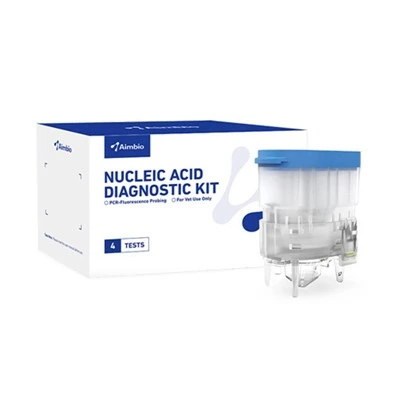
If you’ve ever owned a dog – or worked with them, like me – you know how scary parvo can be. I still remember a few years back when a neighbor’s puppy came down with it out of nowhere, and by the time they got to the vet, it was almost too late. That experience stuck with me, and it’s one of the main reasons I started our canine test kit supply business. A lot of folks ask me the same question all the time: “Can a canine test kit actually detect parvo?” Today, I’m breaking that down straight, no fancy jargon, just the real deal from someone who’s in the mix every day with these tests.
First, let’s get the basics right for anyone who might not know: parvo (short for canine parvovirus) is a super contagious virus that hits dogs, especially puppies under 6 months old, way too hard. It attacks their intestinal lining, and it can be fatal in 48-72 hours if you don’t catch it fast. Before these test kits existed, the only way to confirm parvo was at a vet’s office, which meant waiting hours – sometimes days – for results, and that delay could cost a dog’s life. So yeah, the idea of a test kit that can spot parvo at home, at a shelter, or at a dog park is huge. But does it actually work?
Let’s talk about how our canine parvo test kits work, because that’s key. The ones we supply are lateral flow immunoassays – basically, they look for the virus’s antigens (those are the proteins the virus makes when it’s active) in a dog’s stool sample. From what I’ve seen with the tests we move, most can pick up parvo as early as 3-5 days after a dog is exposed, which is exactly when symptoms usually start showing up (like sudden vomiting, diarrhea that’s bloody, lethargy, not eating). Now, I won’t lie – they’re not 100% perfect, and that’s something I always tell people. No at-home or vet test is, but these kits are way more accurate than a lot of folks think.
Wait, let’s get into the accuracy numbers, because that’s what matters. From the clinical data we get from the manufacturers (and I double-check this stuff before we carry any kit), our canine parvo tests have a sensitivity of around 90-95% and specificity of 92-98%. Let me translate that: sensitivity means how well it picks up actual cases of parvo – so out of 100 dogs that really have parvo, 90-95 will test positive on the kit. Specificity means how few false positives it gives – so out of 100 dogs that don’t have parvo, only 2-8 will test positive by mistake. That’s way better than old-school guesswork based on symptoms alone, which can be confused with other things like giardia or bacterial infections.
But here’s the thing people miss: how you use the kit affects the results big time. I’ve had a shelter worker tell me they tested a puppy, got a negative result, and it turned out the puppy was positive – and when I asked, they’d just swiped the inside of the puppy’s mouth instead of getting a fresh stool sample. Oh, right – the kit needs a proper stool sample, preferably the first loose one after symptoms start, because the virus sheds in the stool in high amounts early on. If you use a sample that’s too old, or mix it with something else, the test won’t work. Also, don’t use a test that’s expired – that’s a quick way to get a wrong result, and I make sure all the kits we supply have at least a year’s shelf life left, so people don’t have to worry about that.
Another common question: can a canine test kit pick up parvo if the dog was vaccinated? Let’s clear that up. Vaccines trigger the dog’s body to make antibodies, not antigens. The test kits look for the virus’s antigens, not antibodies, so a vaccinated dog that’s not infected will test negative. That’s perfect, because you don’t want a false positive just because a dog had a shot. The only time a vaccinated dog might test positive is if they got infected with parvo right around the time of vaccination, before the vaccine kicks in – but that’s rare, and the test will still spot the active virus in that case.
I’ve seen these kits save so many dogs firsthand. Last month, a local breeder bought a case of our parvo tests because they had 12 puppies that started getting sick. They tested them all the same day – three came back positive, and the vet got them on IV fluids immediately. If they’d waited to take them all to the vet, those three might not have made it. That’s why we do what we do – we’re not just selling tests, we’re helping people act fast when every minute counts.
But let’s be real: these kits aren’t a replacement for a vet. If a test comes back positive, you still need to take your dog to a vet right away for supportive care – fluids, anti-nausea meds, antibiotics to prevent secondary infections. If it comes back negative, but your dog is still showing symptoms, the vet might do a follow-up test in 24 hours, because sometimes the virus load is too low early on for the kit to pick up. Like, if a dog is only 2 days exposed, the stool sample might not have enough antigens yet, so a negative result there doesn’t rule it out. That’s another thing I always tell customers – don’t rely on one test alone if you’re really worried.
A lot of people ask why they should use an at-home kit instead of just going to the vet. For shelters, time is everything. When a puppy shows up with diarrhea, you can test them in 10 minutes right there, separate the positive ones, and stop the virus from spreading to the whole litter. For small breeders who might have a dozen puppies, running tests yourself is way cheaper than a bunch of vet visits. Even for pet owners who notice their dog is sick late at night – you don’t have to wait for an emergency vet appointment; you can test them first, know what you’re walking into, and get to the vet prepared.
Now, I know there are a lot of cheap knockoff kits out there online, and I get why people might go for those. But from what I’ve heard from customers who tried them, they have way lower accuracy – like, some have sensitivity as low as 70%, which means 3 out of 10 real parvo cases get missed. That’s a risk I won’t let our customers take. All the canine test kits we supply are CE-marked and have been validated in independent labs, so you know the results you’re getting are trustworthy. We also include step-by-step instructions with every kit, and if someone has a question about how to use it, our team is just an email away – no automated bots, real people who know parvo and the tests.
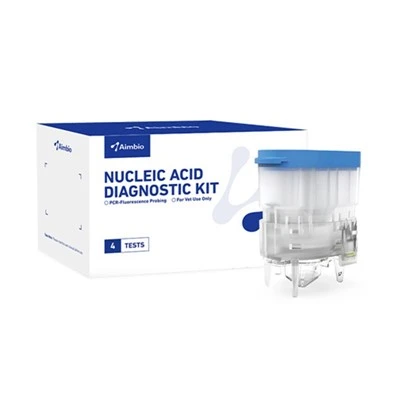
Let me wrap this up: yes, a good canine test kit absolutely can detect parvo – if you use it right, get a proper sample, and make sure the kit is legitimate. It’s not a magic bullet, but it’s one of the most useful tools we have right now to catch parvo early and save dogs’ lives. If you’re a shelter, a breeder, a vet clinic, or even a pet owner who wants to be prepared, we’ve got the kits you need. We supply in bulk for shelters and breeders, and smaller packs for individual owners too. If you’re interested in ordering, or just want to ask questions about how the kits work, feel free to reach out to our team to talk procurement and pricing.
Bovine Diagnostic Kits References:
- Decaro, N., et al. (2019). “Canine Parvovirus: An Update on Diagnosis and Management.” Veterinary Clinics of North America: Small Animal Practice, 49(3), 515-531.
- Lateral Flow Immunoassays for Canine Parvovirus: Performance Characteristics in Field Settings. (2021). Journal of Veterinary Diagnostic Investigation, 33(2), 287-293.
- American Animal Hospital Association (AAHA). (2022). “Guidelines for Canine Parvovirus Prevention and Diagnosis.” AAHA Press.
- Center for Disease Control and Prevention (CDC). (2020). “Parvovirus in Dogs: Key Facts for Pet Owners and Caregivers.” CDC’s Animal Health Division.
- Gaskell, R. M., et al. (2018). “Evaluation of Commercial At-Home Canine Parvovirus Antigen Tests.” Veterinary Record, 183(12), 372.
Hangzhou Aimbio Technology Co., Ltd.
Hangzhou Aimbio Technology Co., Ltd. is one of the most experienced canine test kit manufacturers and suppliers in China, featured by quality products and good price. We warmly welcome you to buy customized canine test kit made in China here from our factory. If you have any enquiry about quotation, please feel free to email us.
Address: Room 101, Building 2, No. 658 Bin’an Road, Binjiang District, Hangzhou, Zhejiang, China
E-mail: b2b@aim-bio.com
WebSite: https://www.aimbio-products.com/
