If you’ve ever walked down a craft supply aisle, pulled a vintage document out of storage, or wrapped a fragile item for shipping, you’ve likely encountered wool paper. As a supplier of this unique material, I get asked one question more than any other: “Does wool paper contain chemicals?” It’s a fair question—especially now, when so many of us are hyper-aware of what we bring into our homes, workspaces, and even our ecosystems. For years, I’ve watched customers lean in when I answer, because the truth about wool paper is far more nuanced than a simple “yes” or “no.” Let me break this down, from how we make our wool paper to what ends up in the final sheet, and why that distinction matters for everyone who uses it. Wool Paper
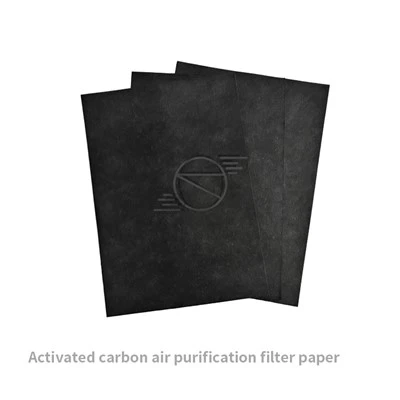
First, let’s clear up a common misconception: wool paper isn’t made of sheep’s wool the way a sweater is. I know that sounds counterintuitive, but the material’s name comes from its core component—wool pulp, a byproduct of the wool textile industry that’s rarely talked about. Every year, shearing facilities around the world process billions of pounds of sheep’s wool. When they clean the raw fiber, they’re left with short, broken wool fragments that are too small to spin into yarn. For decades, this stuff was just waste—tossed into landfills or burned. Then paper manufacturers figured out how to break those short wool fibers down into a pulp that works just like wood pulp, the standard base for most paper. That’s where wool paper starts: with a natural, renewable byproduct that would otherwise go to waste.
So, if wool pulp is natural, why would we ever talk about chemicals in wool paper? The short answer is that most paper production, including wool paper, relies on processing steps that involve chemicals—but not all chemicals are the same. Let’s start with the bad reputation part: the industrial paper industry, for over a century, has used harsh chemicals to break down wood into pulp, bleach it bright white, and coat the final sheets to make them smooth or water-resistant. But here’s what sets our wool paper apart: as a supplier focused on sustainable, consumer-friendly materials, we’ve spent years refining our production process to cut out the unnecessary, harmful chemicals that give paper a bad name. That doesn’t mean we skip all chemicals entirely, though. Let’s walk through each step of making our wool paper, so you can see exactly what’s in your sheet, and why.
The first step in processing wool pulp is pulping, which is just a fancy way of saying “breaking down the wool fibers into a slurry small enough to form paper.” For most paper makers, this uses a chemical process called kraft pulping, which mixes wood or wool with sodium hydroxide and sodium sulfide at high heat to separate fibers from lignin (the tough, sticky stuff that holds plant fibers together). Those chemicals are effective, but they’re also corrosive and hard to remove completely from the pulp. At our facility, we use a mechanical pulping process for our wool pulp—no harsh chemicals required here. Instead of mixing the wool with caustic chemicals, we use high-powered grinders and heat to physically break the wool fibers apart. The only additives here are small amounts of food-grade corn starch, used to lubricate the grinding mechanism and prevent fibers from clumping together. That’s it. No sodium sulfide, no unneeded bleaches, just wool and corn starch.
Next up is bleaching. This is the step where most paper makers introduce the most controversy. To get that bright, pristine white we’re used to, many paper manufacturers use chlorine-based bleaches, which create toxic byproducts like dioxins—known carcinogens that can linger in the environment. For our wool paper, we never use chlorine-based bleaches. Instead, we use oxygen-based bleaches: hydrogen peroxide, and small amounts of sodium silicate, which acts as a stabilizer. Both of these are common in household products—hydrogen peroxide is the stuff you put on a cut, sodium silicate is used in some gentle dish soaps. They break down the natural color in wool pulp to a soft, creamy white, without leaving toxic residues. We test every batch here at our lab to ensure that no harmful bleach byproducts remain, and we publish those test results for every customer who asks. That’s a promise we’ve kept since we started this business 12 years ago.
After pulping and bleaching, we move to forming the paper. The slurry of wool fibers and water is poured onto a moving wire mesh, which drains the water and leaves a thin, wet sheet of wool paper. At this stage, some paper makers add fillers or coatings to add strength, smoothness, or water resistance. But these are often where hidden chemicals creep in. For example, standard copy paper adds kaolin clay, a mineral, to make it brighter and smoother, but some cheap grades use synthetic fillers that can irritate sensitive skin. For our wool paper, we only add one other ingredient at this stage: a small amount of vegetable-based resin (derived from soybeans, for anyone curious) to give the paper extra tear resistance. No synthetic binders, no artificial coatings, no hidden additives. Even the water we use in production is filtered and reused 95% of the time, per EPA standards—so we’re not wasting water or dumping chemicals into local waterways.
Now, I know what some of you are thinking: “Wait, even if these chemicals are ‘safe’ for humans, is that still not adding chemicals to wool paper?” That’s a fair question, and it’s one I used to grapple with when I first started in this industry. Let’s put this in perspective. The difference between the chemicals in our wool paper and the chemicals in, say, a disposable plastic bottle, is night and day. The hydrogen peroxide and sodium silicate we use in bleaching break down completely during production, leaving only trace amounts in the final paper—amounts that are far lower than what’s considered safe for food contact materials, per FDA guidelines. The corn starch and soy resin are derived from natural sources, and they’re biodegradable, so they won’t linger in a landfill or harm wildlife. In contrast, most conventional paper uses heavy chlorine bleach, synthetic binders, and petroleum-based coatings that can release volatile organic compounds (VOCs) when they’re heated or broken down. I’ve seen customers with sensitive skin use our wool paper for stationery, scrapbooking, and even wrapping baby clothes—no irritation, no reactions. That’s not a happy accident; that’s by design.
But here’s the thing: not all wool paper is created equal. I’ve seen other suppliers selling wool paper that uses harsh chemicals, skips testing, and cuts corners to keep costs low. That’s why it’s so important to ask questions when you’re shopping for wool paper. Don’t just take a supplier’s word for it when they say their product is “chemical-free.” Ask for their production process details. Ask for third-party test results. Ask if they use chlorine bleaches, synthetic coatings, or harmful additives. Over the years, I’ve turned away several bulk orders from big box retailers because they wanted us to cut our production costs by switching to chlorine bleaching and synthetic fillers. It’s not worth it to me, or to our customers. Our family-owned business is built on trust, and that means being transparent about what’s in our paper—and what isn’t.
Let’s talk about the impact of those chemicals when wool paper ends up in the environment, too. Conventional paper takes years to decompose, and the chemicals in it can leach into soil and water. Our wool paper? It’s 100% biodegradable, and the only additives are natural, plant-based or food-grade. A sheet of our wool paper left in a compost pile will break down in about two months, leaving no toxic residues to harm plants or animals. I’ve even had beekeepers buy our wool paper to wrap hive components, because it’s gentle on bees and doesn’t leach chemicals that could harm their colonies. That’s the kind of impact that matters to us.
I also want to address a common myth that’s floated around the craft community: that “100% chemical-free” paper exists. Let’s be real—any paper that’s processed at scale will have trace amounts of chemicals, because you can’t separate fibers from their natural structure without some kind of processing aid. The key is not avoiding chemicals entirely, but choosing processing methods that use safe, non-toxic chemicals that leave no harmful residues in the final product. I’ve seen suppliers market their paper as “chemical-free” when they just skipped bleaching, but still used synthetic binders that are harmful. That’s misleading, and it’s why we’ve never used that term. We prefer “low-chemical, safe for use” because it’s honest.
At the end of the day, the question “Does wool paper contain chemicals?” is less important than “What kind of chemicals does it contain, and are they safe for me and the planet?” For our wool paper, the answer is clear: the only chemicals we use are food-grade, natural, or biodegradable, and they’re present in trace amounts that meet or exceed global safety standards. We don’t use chlorine bleaches, synthetic coatings, or harmful additives, and we test every batch to ensure that our paper is as pure as possible.
If you’re a crafter looking for a paper that’s gentle on sensitive skin, a archivist preserving important documents, a small business owner packaging products for shipping, or just someone who cares about what goes into the materials you use every day, our wool paper is worth a look. We’ve worked with everything from independent candle makers wrapping their products to museum archives preserving vintage letters, and every customer tells us the same thing: they didn’t realize how much difference a truly low-chemical paper could make until they switched.
If you’d like to learn more about our production process, request a sample, or talk about custom orders for your business, we’re here to chat. We believe in transparency, so we’re happy to share test results, process details, and answer any other questions you have about our wool paper.
Activated Carbon Filter Paper References
- U.S. Environmental Protection Agency. (2021). Sustainable Paper Production: Reducing Chemical Use and Environmental Impact. EPA Office of Chemical Safety and Pollution Prevention.
- TAPPI Press. (2019). Wool Fiber Pulping and Paper Making: A Guide to Sustainable Non-Wood Paper Production. Technical Association of the Pulp and Paper Industry.
- World Wildlife Fund. (2020). Byproduct Utilization in Textile and Paper Industries: Reducing Waste and Supporting Circular Economy. WWF International.
- Food and Drug Administration. (2022). Food Contact Substances: Safe Additives for Paper and Paperboard Packaging. FDA Center for Food Safety and Applied Nutrition.
Shanghai Rongying Industrial Co., Ltd.
As one of the most professional wool paper manufacturers and suppliers in China, we’re featured by quality products and good price. Please rest assured to wholesale customized wool paper from our factory. If you have any enquiry about quotation and free sample, please feel free to email us.
Address: Jiahua Business Center C building 204 Room, No.808 Hongqiao Road, Xuhui District, Shanghai, China
E-mail: info@shryspecialtypaper.com
WebSite: https://www.woolpaper.com/
