Hey guys, if you’ve ever bit into a floral-inspired pastry and wondered how that shiny, flower-kissed glaze makes everything taste and look so dreamy, you’re not alone. As someone who’s been selling floral pastries out of my tiny shop for the past 4 years, I’ve messed up more glazes than I’d like to admit—think runny, drippy glazes that slid off lavender macarons, or grainy ones that tasted like overcooked sugar instead of fresh rose. Today, I’m breaking down exactly how to make a floral pastry glaze that sticks, tastes like the flowers it’s named after, and doesn’t ruin all the hard work you put into your pastries. Floral-Inspired Pastries
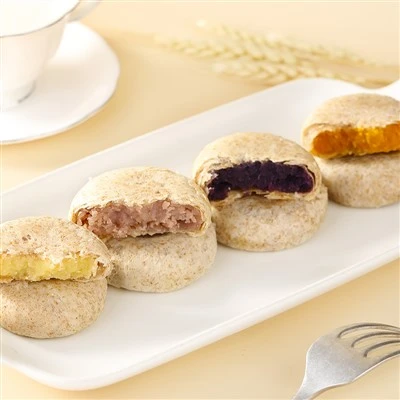
First, let’s get one thing straight: floral glazes aren’t just regular glaze with a drop of extract. If you’ve ever tried that, you know it tastes artificial—no one wants a pastry that smells like a dollar store air freshener. My trick is using real floral ingredients, but not just any ones. I only work with food-grade flowers, full stop. That means no random daisies from your backyard, no decorative flowers from the grocery store produce section (those are for looks, not eating), and absolutely no flowers that grow near roads or pesticides. I partner with a small local farm that grows organic edible flowers specifically for bakers—lavender, rose, elderflower, pansies, all that. They’re the only flowers I use because their flavor is bright, not bitter, and they don’t have that weird soapy aftertaste that some blooms get.
Okay, let’s start with the basics: the core of any good glaze is sugar and liquid. Regular glazes for pastries are usually powdered sugar plus milk, or sometimes powdered sugar plus water. But when we’re making a floral glaze, we can’t just swap water for extract. Extract is concentrated, so one tiny drop too much and your glaze is unedible. Instead, we use a mild, clear liquid that amplifies the flower flavor without overpowering it. My go-to liquid for most floral glazes is a simple floral-infused syrup, but for a quicker option, I use distilled water mixed with a tiny splash of the same food-grade edible flower tea I source from that farm. Wait, distilled water? Yeah, tap water has minerals that can make glaze cloudy over time, and you don’t want your pretty flower glaze turning gray a few hours after you apply it. Distilled water keeps it clear, which is key for letting those small edible blooms on top show through.
Let’s talk ratios because this is where most people mess up. I’ve tested this so many times: for every 1 cup of sifted powdered sugar (super important—sift it to get rid of lumps!), you need 2 to 3 tablespoons of liquid. If you use less than 2 tablespoons, your glaze will be too thick—you’ll have to spread it with a knife, and it’ll crack when it dries. More than 3, and it’s runny, drips off the sides, and takes forever to set. For floral, I adjust this a tiny bit based on the flower: rose glaze is a little thicker because it’s a more robust flavor, so 2.5 tablespoons liquid works. Elderflower glaze is lighter, so 3 tablespoons gives it that delicate, spreadable consistency that doesn’t weigh down your pastry.
Now, let’s break down a few of my most popular glazes, since I make these in bulk for the pastries I sell. First up is Lavender Glaze, which goes on my lemon-lavender scones—they’re my bestseller, by the way. For this one, I take 1 cup sifted powdered sugar, add 1.5 teaspoons of dried food-grade lavender that I grind up super fine (I use a spice grinder, but you can put it in a clean coffee grinder, no big deal), then add 2 tablespoons of distilled water mixed with 1 teaspoon of lavender tea. Wait, grind the lavender? Yeah, that way you don’t get big, crunchy pieces of lavender in your glaze. No one wants a chunk of dried flower in their glaze, it’s not pleasant. Mix that all together until it’s smooth—no lumps. If it’s too thick, add ½ a teaspoon more water. If it’s too runny, add 1 tablespoon more powdered sugar. Test the flavor, too—you should taste lavender, not just sugar. If it’s too mild, add a tiny pinch more ground lavender, but be careful—too much will make it bitter.
Next, Rose Glaze for my rosewater shortbread and rose macarons. Rose is trickier than lavender because it can get soapy if you use the wrong stuff. I use 1 cup sifted powdered sugar, 1 teaspoon of high-quality food-grade rose water (not that fake stuff you find in the baking aisle—get the one specifically for edible use), 1 tablespoon of distilled water, and a pinch of dried, ground rose petals. The key here is to not overdo the rose water—just 1 teaspoon is enough for 1 cup of sugar. If you add more, that soapy flavor hits you right away. I also add a tiny drop of pink food coloring if I want it extra pretty, but that’s optional. Most of my customers love the natural pale pink from the rose petals, so I often skip the coloring.
Elderflower Glaze is another big one, used on my elderflower butter cookies and mini tarts. Elderflower is super delicate, so I make this glaze with 1 cup powdered sugar, 2 tablespoons of distilled water, 1 teaspoon of elderflower cordial (again, food-grade), and a tiny sprinkle of freeze-dried elderflower powder. Freeze-dried is better than fresh here because fresh elderflower can go mushy, and freeze-dried keeps that bright flavor without any mess. This glaze is lighter, so it’s perfect for small pastries that don’t need a heavy coat.
Now, the part no one tells you about glazes: how to apply it right. Even if your glaze is perfect, if you mess up application, it looks terrible. I always let my pastries cool completely before applying glaze. If your pastry is even a little warm, the glaze will melt and slide off. For scones and cookies, I usually dip half the pastry in the glaze, or use a small spoon to drizzle it in one line across the top. For macarons, I use a tiny offset spatula to spread a thin layer—no thick coats here, they’ll make the macarons soggy. If you’re topping with edible flowers, do that right after you apply the glaze. Once the glaze sets, flowers won’t stick, and they’ll look wilted after a few minutes anyway. I also keep the pastries in a cool, dry place while the glaze sets—no direct sunlight, because that will make the glaze crack and lose its shine.
Wait, what about common mistakes I’ve made (and seen other bakers make)? First, using too much extract or floral water. I can’t stress that enough—concentrated floral flavors are strong, so a little goes a long way. Second, not sifting the powdered sugar. I learned this the hard way my first month: I used unsifted powdered sugar, got lumpy glaze, and half my glazes were ruined. Sifting takes 30 seconds, it’s worth it. Third, using tap water. Like I said earlier, minerals in tap water make glaze cloudy. I even use bottled distilled water at my shop now, no tap. Fourth, applying glaze to warm pastries. I once put glaze on hot lemon tarts and the whole glaze turned into a runny mess, I had to throw out 2 dozen tarts. Lesson learned.
Another tip: if you want your glaze to stay shiny longer, add a tiny bit of corn syrup. Not too much, though—1 teaspoon per cup of sugar. Corn syrup keeps the glaze from drying out too fast, so it stays glossy for hours, which is perfect for display. My customers always comment on how my pastries look so fresh even the next day, and that’s the glaze doing its job.
If you’re making this for home use, you can adjust the quantities easily. If you just want a small batch, use ¼ cup powdered sugar instead of 1 cup, scale the liquid and flavors down the same way. Don’t make more than you need, though—floral glaze doesn’t store well. It can go bad in a day or two, especially if it has fresh ingredients. I always make a fresh batch every morning when I’m at the shop, so it’s always good.
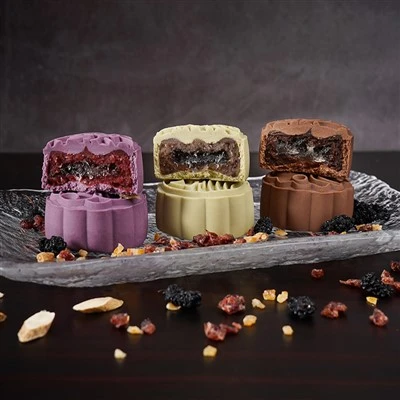
Now, if you’re here because you want to stock these glazes or get custom floral pastries for your café, event, or bakery—we work with cafes, wedding planners, and corporate events all the time. Our glazes are made with the same food-grade, organic flowers I use at the shop, and we can tailor flavors to whatever you need—even unique ones like jasmine or calendula glaze. We don’t use any artificial flavors or preservatives, so everything is fresh and tastes like real flowers. If you’re interested in pricing or custom orders, feel free to reach out—we’re here to make your floral pastries stand out.
Floral-Inspired Pastries References:
- Edible Flower Safety Guidelines, USDA Food and Drug Administration, 2022
- Pastry Glaze Formulation and Application Techniques, American Bakers Association, 2021
- Organic Edible Flower Cultivation for Culinary Use, Local Food Producers Coalition, 2020
- Sensory Evaluation of Floral Flavors in Baked Goods, Journal of Culinary Science and Technology, 2019
Fujian Luchen Food Co., Ltd.
As one of the most professional floral-inspired pastries manufacturers and suppliers in China since 1986, our products have good reputation in the market. Please feel free to wholesale bulk delicious floral-inspired pastries from our factory. Good service and quality products are available.
Address: No.19, Shangxipulou, Nansheng Town, Pinghe County, Zhangzhou City, Fujian Province
E-mail: service@xmnahan.com
WebSite: https://www.luchenbakery.com/
