If you’re in the business of supplying pesticide formulations—whether you’re a small, specialized player or a mid-sized firm like ours—you already know that formulation quality isn’t just about the active ingredient. The packaging is the unsung hero that keeps your product effective, safe, and compliant from the moment it leaves your warehouse until it’s sprayed on a field or applied in an orchard. Over the years, I’ve fielded dozens of calls from growers and distributors asking, “What makes good pesticide packaging? It’s not just a box or a bottle, right?” The short answer is: no, it’s not. Pesticide packaging has to balance science, regulation, and real-world usability in a way that most consumer goods never have to. Let’s break down what goes into meeting the requirements for pesticide formulation packaging, based on what we’ve learned working with formulation teams and end users across North America and Europe for the past 12 years. Pesticide Formulations

First, safety is non-negotiable. Pesticides are designed to kill pests, which means they’re often corrosive, toxic, or flammable—so the packaging has to prevent leaks, spills, or accidental exposure at every stage. I remember a few years back, a client of ours had a batch of herbicide leak during transit because their old plastic drums were too thin to handle the temperature swings between a Texas summer and a Canadian spring. The problem? The resin they used didn’t have the right molecular weight for the formulation’s pH. Alkaline herbicides, for example, can eat through low-density polyethylene (LDPE) if it’s not stabilized with additives that resist chemical degradation. For liquid formulations, we’ve found that high-density polyethylene (HDPE) with UV inhibitors works for most products, but for emulsifiable concentrates (ECs)—those oil-based mixes that are common for insecticides—we often recommend cross-linked polyethylene (XLPE) because it’s less permeable to oil. Gases or fumigant formulations, on the other hand, need hermetic seals that can hold pressure for years, so we use stainless steel cylinders with pressure-relief valves that open only when internal pressure gets too high, preventing bursts during storage.
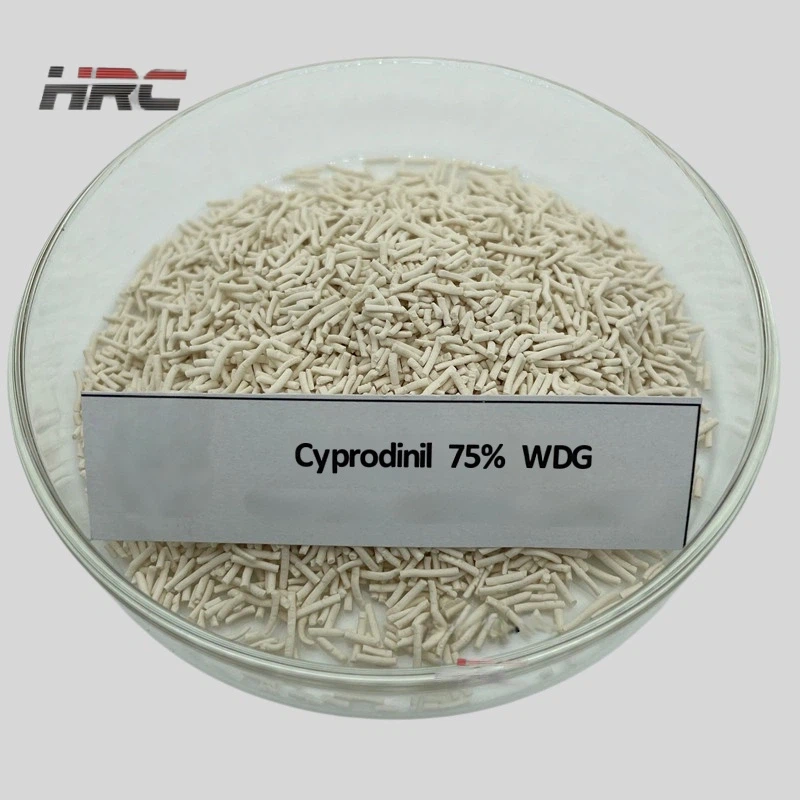
Then there’s worker safety, which comes into play when the product is being handled or applied. Kids, pets, or untrained workers should never be able to open a pesticide package, but professional applicators need to get into it easily enough during a busy planting season. That’s why child-resistant packaging (CRP) is a legal requirement in most countries, but it’s not one-size-fits-all. For our liquid concentrates, we add screw-on caps with a “push and twist” mechanism that’s hard for small hands to operate but intuitive for adults once they’ve done it a couple times. For powder formulations like wettable granules (WG), we use resealable bags with tear notches that have a small plastic overwrap—again, child-resistant, but easy to cut with a utility knife. I’ve seen some companies cut corners here, using standard bags for WG, and it leads to thousands of pounds of product getting spilled every year, not to mention safety violations during inspections.
Next up is regulatory compliance, and this is where things get really granular. In the U.S., the Environmental Protection Agency (EPA) sets strict standards for packaging under the Federal Insecticide, Fungicide, and Rodenticide Act (FIFRA). In the EU, it’s the Plant Protection Products Regulation (PPPR), which requires packaging to meet specific performance tests for leakage, durability, and labeling. For example, the EPA requires that all pesticide packaging pass a “drop test”: if a 55-gallon drum of liquid formulation is dropped from 4 feet onto a concrete surface, it can’t leak. We test every drum we send out, and we keep records of those test results for five years, just in case the EPA comes knocking. Another regulatory requirement is that packaging must clearly display the product’s EPA registration number, signal word (like “Danger” or “Warning”), and first-aid instructions—all in a font size that’s visible from 3 feet away. We used to print these labels with regular ink, but now we use UV-resistant ink because when a package is stored outside in a farm shed, the sun can fade the labels in a matter of months, making the product impossible to identify.
Environmental impact is another big requirement that’s gotten more attention in the last five years. Growers and regulators are pushing for packaging that’s easier to recycle or dispose of, and we’ve had to adjust our processes to meet that. For a long time, pesticide packaging was made with multi-layer plastics that couldn’t be recycled because the layers were different types of resin. Now, we use mono-material HDPE for most of our liquid formulation drums, which is accepted by most curbside recycling programs. For smaller packs, like 1-liter bottles for small-scale applicators, we use post-consumer recycled (PCR) plastic—usually 25 to 30 percent recycled content—without compromising the package’s chemical resistance. We also offer take-back programs for empty pesticide drums, working with local waste management companies to clean and reprocess them instead of sending them to landfills. That’s not just good for the environment; it’s become a selling point for our clients, who love to tell their customers they’re using a more sustainable product.
Usability for the end user is a requirement that’s easy to overlook, but it makes a huge difference in customer satisfaction. A farmer might need to mix 100 gallons of herbicide in a few hours, so a drum that has a large, easy-to-use spigot instead of a tiny hole saves them time and prevents spills. For granular formulations, which are often spread by hand or with a broadcast spreader, we use bags with a gusseted bottom that stands up on its own, so the farmer doesn’t have to hold it open while pouring. We also add volume markings on the inside of our small bottles, so applicators can measure the exact amount of formulation they need without using a separate measuring cup—cutting down on waste and mixing errors. A few years ago, we tested a new bag design for a client that had a tear strip along the entire top, instead of just a small notch, and the number of spills during opening dropped by 40 percent. That’s the kind of small change that adds up to big savings for our customers.
Now, I know what some of you might be thinking: “I already have a packaging supplier, why should I work with you?” The reason is that we don’t just supply packaging—we understand pesticide formulations. Our team has chemists on staff who know the difference between an EC and a suspension concentrate (SC), and they can advise you on the right packaging for your specific product, not just a generic plastic bottle. If you’re launching a new insecticide that’s toxic to bees, we can recommend packaging that has a tamper-evident seal to make sure it hasn’t been opened before it gets to the farmer. If you’re dealing with a formulation that freezes at 20 degrees Fahrenheit, we can add anti-freeze additives to the plastic so the drum doesn’t crack during storage in northern states.
At the end of the day, the best pesticide packaging does three things: it keeps the formulation safe, it meets all the rules, and it makes life easier for the people who use it. It’s not just a container—it’s a critical part of your product’s performance and reputation. If you’re a formulation manufacturer looking to upgrade your packaging or launch a new line and need someone who knows the ins and outs of every requirement, reach out to our team to discuss your needs. We’ll walk you through the options, do the testing, and make sure your products get to the farm intact, compliant, and ready to work.
Pesticide Formulations References
- U.S. Environmental Protection Agency. (2022). Pesticide Packaging Requirements Under FIFRA.
- European Commission. (2023). Plant Protection Products Regulation (EU) 1107/2009: Packaging Standards.
- World Health Organization. (2021. Guidelines for Pesticide Packaging and Labeling for Occupational Safety.
- American Society for Testing and Materials. (2020). Standard Test Methods for Leak Resistance of Pesticide Packaging.
Shaanxi Hengrun Linong Biotechnology Co., Ltd.
We’re well-known as one of the leading pesticide formulations manufacturers and suppliers in China, featured by quality products and low price. Please rest assured to buy discount pesticide formulations from our factory. Welcome to view our website for more information.
Address:
E-mail: sales@hengrunagro.com
WebSite: https://www.hengrunagro.com/
