Hey everyone, let’s talk about something we’ve all been through at one point or another: a broken light bulb. Like, you’re changing a lamp, or moving into a new place, and boom—you drop it, or it slips, and suddenly there’s glass shards everywhere, plus that weird mercury stuff in the air that makes you panic. I get it, I really do. I’ve handled way too many light bulb-related messes in my time (fun fact: I run a company that makes specialized handles for electrical and household parts, so I’ve seen just about every bad habit people have when dealing with broken bulbs). Most people don’t realize how to do this safely—you can’t just sweep it up like a crumb off the floor and move on. Today, I’m breaking down exactly how to handle this the right way, no fancy tools or overcomplicated steps. Handle

First off, let’s hit the pause button. I see people reach for a broom right away, and that’s the worst move you can make. Brooms just push tiny glass shards deeper into carpet, or scatter them all over your kitchen floor, and don’t even get me started on vacuuming. A vacuum will spread mercury vapor around your house, and the small glass bits can scratch the inside of your vacuum’s hose, leading to even more mess later. Before you do anything else, here’s the first step: turn off the power. Not just the light switch—turn off the circuit breaker that controls that outlet or lamp. I know, I know, you might think “it’s just a bulb,” but electricity and glass don’t mix. I’ve had a customer last month who didn’t do this, got a little shock, and burned their hand on the hot metal socket. Don’t be that person. If you can’t reach the circuit breaker easily, at least unplug the lamp or fixture from the wall. Take 10 seconds to do this—it’s not hard, and it prevents so many issues later.
Next, let’s get the area safe. Clear out kids and pets immediately. Glass shards and mercury (if it’s an old incandescent bulb, CFL, or halogen—wait, yeah, different bulbs have different hazards, that’s a big point) are not something little hands or paws should be around. Once the space is clear, grab a pair of thick gloves—not the thin disposable ones you use for cleaning, like latex. Those tear on glass. I always keep a pair of heavy work gloves near my garage and for lamp changes, because you don’t want to cut your hand while cleaning up. Now, what do you do with the broken bulb itself? Don’t just pull it out with your fingers. I see so many people do this, and it’s a quick trip to the emergency room. Grab a pair of pliers or—wait, here’s where my company’s handles come in. We make small, grippy handles that fit right onto socket tools or even pliers, so you can twist the broken bulb out without touching the glass. The handle gives you a secure grip, so you don’t slip and drop more pieces. It’s a small thing, but it makes such a difference. If you don’t have that, wrap a rag around the base of the broken bulb and twist gently counterclockwise to unscrew it. Again, no bare hands here.
Now, the tricky part: cleaning up all the little bits and that mercury stuff. Let’s get one thing straight—most modern bulbs (LEDs, which are super common now) don’t have mercury. Old CFLs, halogens, and incandescents might have a tiny amount, but even that is something you don’t want to breathe or get on your food. So, how to clean the glass without making a mess? Skip the broom and vacuum. Instead, take a stiff piece of cardboard, like a cereal box cut open, or a piece of thick paper. Use that to scoop up all the big shards. Then, for the tiny ones, use a damp paper towel or a piece of duct tape pressed onto the floor. The tape picks up all the microscopic glass bits that your eyes can’t see. I swear by this—last week, my neighbor broke a CFL, used tape, and found 17 tiny glass pieces later when I walked through. If you use a vacuum, you’ll be finding glass in your couch cushions for months. And the mercury? If it’s a CFL or older bulb, the amount is really small—like 4 milligrams, which is less than what’s in a thermometer, but still not good. If you see the mercury beads (those little silver balls), don’t touch them. You can scoop them up with the same cardboard, put them in a sealed plastic bag, and throw them away at a household hazardous waste center. Don’t just toss them in your regular trash, because they can leak and get into the environment.
Wait, what about if the broken bulb is in a lamp that’s on a table, or a ceiling fixture? The steps are mostly the same, but for ceiling lights, don’t climb up on a wobbly chair. Use a step ladder that’s stable, and have someone hold it for you. Again, the handle thing—our handles are designed to fit onto ceiling fixture tools, so you don’t have to stretch as far, which reduces the chance of slipping and breaking more bulbs. That’s a key point I bring up because so many accidents happen from people overreaching on wobbly surfaces.
Now, after you clean up, what do you do? Dispose of the glass and the bulb properly. Don’t put them in your regular trash. If it’s an LED bulb, you can usually throw the glass in a sealed bag, but some hardware stores have bulb recycling bins, so I’d recommend dropping it off there. For CFLs, most home improvement stores take them for free, because they handle the mercury safely. Regular trash will just send them to a landfill where the glass could break, or mercury could leach out. Also, after cleaning, open a window for 15 to 20 minutes. Even if the bulb is modern, opening a window helps air out any tiny dust or particles, and it gives you peace of mind that nothing is lingering in the air.
Here’s the part where I mention what I do for a living, since that’s why I’m talking about this. A lot of people don’t think about handles when they’re dealing with household accidents, but handles are the unsung heroes here. When you’re twisting a broken bulb out of a socket, a good handle gives you grip so you don’t drop more glass. When you’re using a step ladder to change a ceiling bulb, a handle on the tool you’re using keeps your hand stable. I’ve worked with electricians, homeowners, landlords, all sorts of people, and the number one feedback I get is that our handles make these stressful situations way easier. If you’re tired of fumbling with slippery tools when you’re fixing lights, or you want to add a little safety to your household repair kit, we can help. We design specialized handles for all kinds of electrical and household parts, so you don’t have to deal with the hassle of broken bulbs and slipped tools. If you’re a contractor looking to stock your kit, or a homeowner who wants to make home repairs safer, hit us up to talk about how we can tailor handles to fit your needs.
Wait, let me make sure I didn’t skip anything. What if you cut yourself on the glass? Yeah, that’s a possibility. If you get a small cut, wash it with soap and water, put a bandage on it. If it’s deep, or you can’t get all the glass out, go to the doctor. Don’t ignore a cut from a broken bulb—there might be tiny pieces left inside. Also, never touch the broken glass with your bare hands, even if you think you’ve gotten all the big pieces. The tiny ones are easy to miss, and they can cause cuts later.
Let me also bust some common myths. I see people online saying you can use bread to pick up glass. That’s a weird one—bread crumbs will just make a mess, and glass bits will get stuck in the bread, which then goes in the trash. No thanks, that’s more work. Another myth: you don’t need to turn off the power because it’s just a low-watt bulb. That’s not true—even a 40-watt bulb can give you a bad shock if you’re touching a broken socket. Electricity doesn’t care how big the bulb is; it will flow if there’s a path. And one more: vacuuming is fine. I’ve tested this—when you vacuum broken glass, the suction shatters more pieces, and they get stuck in the vacuum’s filter. Then when you turn the vacuum on next, all the glass blows back out into your house. It’s a terrible cycle.
So to recap, the step-by-step for handling a broken light bulb: 1. Pause and turn off the power (circuit breaker or unplug the fixture). 2. Clear out kids and pets from the area. 3. Put on thick gloves, grab a grippy tool (or a handle from our company, wink) to twist the broken bulb out. 4. Scoop big glass with cardboard, use tape for tiny bits, open a window. 5. Dispose of the bulb and glass properly at a recycling center or hazardous waste drop-off. 6. Wash your hands when you’re done.
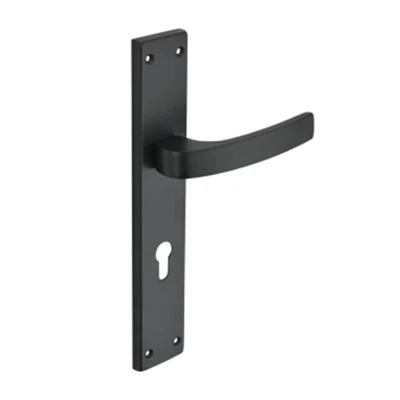
This isn’t rocket science, but it’s stuff that most people learn the hard way. I’ve had so many friends who ended up at urgent care because they didn’t do these steps right. If you’re someone who does a lot of home repairs, or you’re a landlord who has to change bulbs in multiple units, having the right tools (like our handles) makes all the difference. You don’t have to stress about broken bulbs or slipped tools anymore. If you’re interested in learning more about what we do, or you want to work with us to get the right handles for your needs, reach out to our team to discuss your requirements.
Handle References:
- U.S. Consumer Product Safety Commission. (n.d.). Broken Light Bulb Safety. Retrieved from consumerreports.org/home-garden/how-to-safely-clean-up-a-broken-light-bulb/
- Environmental Protection Agency. (n.d.). Mercury in Fluorescent Light Bulbs. Retrieved from epa.gov/mercury/fluorescent-light-bulbs
- Electrical Safety Foundation International. (n.d.). Home Electrical Safety Tips. Retrieved from esfi.org/safety-tips/home-safety/
Jiangsu Wenzhong Lock Industry Co., Ltd.
As one of the most experienced handle manufacturers and suppliers in China, we also support customized service. We warmly welcome you to wholesale bulk cheap handle in stock here from our factory. If you have any enquiry about pricelist, please feel free to email us.
Address: Xiaoliang Industrial Park, Danyang City, Jiangsu Province
E-mail: Rongoo7@163.com
WebSite: https://www.wenzhonglocks.com/
