If you’ve ever walked through a hot dip galvanizing shop, you know the flux tank is the unsung workhorse of the process. It’s the thin, chemical-rich layer that prepares cleaned steel to bond with molten zinc, preventing those annoying bare spots, uneven coatings, and even premature corrosion down the line. But here’s the thing: flux contamination happens more often than most galvanizers realize, and it’s rarely just “bad luck.” As a hot dip galvanizing equipment parts supplier who’s worked side-by-side with dozens of crews over the past 12 years, I’ve seen firsthand how small, avoidable missteps turn a smoothly running flux tank into a source of costly rework and equipment wear. Today, I’m breaking down exactly what causes flux contamination, why it matters for your operation, and how the right parts and maintenance habits can keep your flux tank running like it should. Hot Dip Galvanizing Equipment Parts
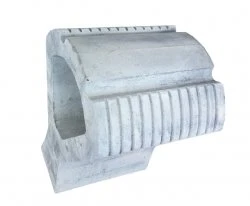
First, let’s start with the basics of what hot dip galvanizing flux actually is. For most standard galvanizing lines, flux is a water-based solution—usually ammonium chloride, zinc chloride, or a blend of both—applied to degreased, pickled steel right before it enters the zinc pot. Its job is twofold: it removes any lingering oxides from the steel surface after pickling, and it creates a protective layer that keeps the steel from oxidizing while it dries and travels to the zinc bath. When that solution gets contaminated, even tiny amounts can throw off its chemistry. Too much iron, oil, or dirt, and the flux won’t stick evenly; too many other chemicals, and you might end up with dross buildup in your zinc pot, pitting on your finished parts, or even flux fumes that require extra ventilation to meet OSHA standards.
Let’s dive into the most common causes of flux contamination, starting with the issues right at the pickling and cleaning stage. A lot of galvanizers think if their steel looks “clean” after pickling, it’s good to go into flux, but that’s not always the case. Pickling uses hydrochloric or sulfuric acid to remove mill scale and rust, and if you don’t rinse the steel thoroughly after pickling, acid residue gets dragged right into the flux tank. That acid isn’t just an unwanted chemical—it reacts with the flux’s active ingredients, breaking down ammonium chloride and zinc chloride into byproducts that turn the solution murky, reduce its effectiveness, and create a slimy residue that sticks to your flux tank walls, heaters, and even your immersion rollers. I’ve seen crews get a month of perfect coatings only to find their flux tank had 2% excess hydrochloric acid (from a missed final rinse) that caused 15% of their parts to have bare spots—costing thousands in rework and lost time.
Then there’s oil contamination, which is even sneakier. Pickled steel can carry a tiny amount of oil from rolling mill processes, and degreasing tanks are designed to remove that, but degreasers get overloaded fast. If your degreaser is too cold, has too little surfactant, or you’re running parts through too quickly, oil particles don’t get trapped—they float right into your flux tank. Flux and oil don’t mix, obviously, but what’s less obvious is that that oil forms a thin layer on top of the flux, and as water evaporates from the flux tank (it’s hot, after all—most flux runs at 120–180°F), that oil starts to polymerize, turning into a tar-like gunk that clogs flux delivery nozzles, builds up on immersion rollers, and even ends up in your zinc pot. I recently worked with a galvanizer who thought his flux was bad, only to realize his degreaser’s spray nozzles were clogged, so 30% of parts left the degreaser with residual oil. By the time we swapped out those nozzles and added a simple oil skimmer to his flux tank, his rework rate dropped by 11% in six weeks.
Next, let’s talk about what gets dragged into the flux from the parts themselves and the equipment that moves them. Your steel parts, even after cleaning, have tiny bits of scale, pickling residue, and even small pieces of rust that don’t get fully removed—they fall off during transit from the pickling line to the flux tank. Those solid particles sink to the bottom of the flux tank, where they build up over time. That sludge doesn’t just contaminate the solution; it also wears down the flux tank’s internal parts—like immersion rollers, temperature sensors, and even the heating elements we supply. For example, a few years back, a mid-sized galvanizer came to us with constant flux pH swings, and we pulled a sample of their flux tank sludge and found 8% iron oxide particles. Those particles were abrading the pH probes every few weeks, making the solution’s chemistry seem off. Swapping their worn pH probes (we design and supply rugged, corrosion-resistant probes built for flux’s unique chemistry) and adding a simple sludge removal system cut their probe replacement cost by 70% and stabilized their flux consistency.
Another big culprit is cross-contamination from other process chemicals. It’s easy to forget that your flux tank is right next to your pickling tank, degreasing tank, and even your passivation tank, and small leaks or overspray can drift over. For example, if your passivation tank (used to give finished parts a longer lifespan) sprays too hard, passivation chemicals (like chromium or, for modern lines, trivalent alternatives) can drift into the flux tank. Those chemicals don’t just ruin the flux’s ability to bond with zinc—they also cause uneven coating thickness and increase dross formation in the zinc pot. I’ve had galvanizers tell me they’ve used the same flux blend for 10 years without issues, only to move a new passivation unit closer to the flux line and start seeing coating defects—once they adjusted the passivation unit’s spray angle and added a simple shield between the two tanks, the problem disappeared.
Temperature and evaporation issues also contribute a lot of contamination that’s easy to overlook. Flux works best at a consistent temperature; if it’s too cold, it doesn’t activate properly, and water evaporates slower, letting bacteria grow (yes, flux can get bacterial contamination—especially if it’s not cycled regularly). Bacteria break down the flux’s active ingredients, turning the solution acidic or alkaline too quickly, which causes it to corrode your flux tank parts and form unwanted residues. If your flux is too hot, water evaporates faster, so you’re constantly adding fresh water to the tank—but if you don’t add the right amount of active ingredients to make up for what’s been lost, the flux becomes too dilute, and any contaminants (from oil to scale) become a much larger percentage of the solution. We supply flux tank heaters that are calibrated to maintain a consistent 150°F for most standard blends, and we’ve helped dozens of clients adjust their evaporation rates to cut down on both bacteria growth and dilute flux issues.
Now, why does all this matter for your equipment and your bottom line? Flux contamination isn’t just about bad coatings—it’s about wear and tear on your galvanizing line parts. Sludge in the flux tank abrades immersion rollers, pH probes, and heating elements, leading to premature replacement costs that can run into thousands of dollars a year. Uneven flux also means more dross in the zinc pot—dross is the combination of zinc and iron that forms on the pot’s surface, and excess dross means you’re losing zinc to waste, and you have to skim it more often, taking time away from production. A 2022 study from the International Galvanizing Association found that flux-related contamination is responsible for 22% of unplanned downtime in small to mid-sized galvanizing lines, and that’s not counting the cost of rework.
So, what can you do to prevent flux contamination, and how can a hot dip galvanizing equipment parts supplier help? First, make sure your pre-flux processes are solid: invest in well-maintained degreaser nozzles, a final rinse with clean, filtered water, and a simple oil skimmer for your flux tank—we supply heavy-duty, corrosion-resistant skimmers that work even in high-heat flux environments. Second, add a regular flux tank maintenance routine: drain and clean the tank every 3 to 6 months (depending on your line’s volume), remove the sludge from the bottom, and replace 30 to 50% of the flux solution regularly to keep the chemistry balanced. Third, make sure your equipment parts are built to handle flux’s corrosive nature: standard steel parts rust and wear out quickly in flux, but we supply immersion rollers, pH probes, heaters, and flux delivery systems made from high-grade stainless steel or composite materials that resist corrosion and abrasion, even with small amounts of contamination. Finally, monitor your flux’s chemistry regularly: test for pH, iron content, and oil levels every week, so you can catch small issues before they turn into big problems.
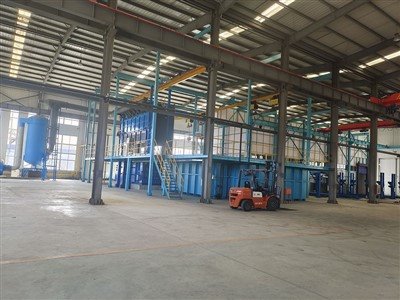
If you’re dealing with constant flux-related issues, high rework rates, or premature wear on your galvanizing line parts, I’m here to help. We design and supply a full range of hot dip galvanizing equipment parts, from flux tank skimmers and corrosion-resistant immersion rollers to calibrated heaters and pH probes built specifically for flux applications. Whether you need help troubleshooting a contamination issue, upgrading your equipment, or putting together a maintenance plan that works for your line, we can work with you to find the right solution for your operation. Contact us today to discuss your needs and get a tailored quote for your hot dip galvanizing equipment and parts.
Hot Dip Galvanizing Equipment Parts References
- International Galvanizing Association. (2022. Hot Dip Galvanizing Process Efficiency Report: Contamination Impacts on Production and Equipment.
- The Hot Dip Galvanizer’s Manual. (2019. Flux Preparation and Maintenance Guidelines.
- American Galvanizers Association. (2021. Effects of Pre-Flux Chemical Residues on Zinc Coating Quality.
- Corrosion Prevention for Industrial Process Equipment. (2020. Resistant Materials for Flux Tank Components.
Jinzhou Hongri Galvanizing Equipment Co., Ltd.
As one of the most professional hot dip galvanizing equipment parts manufacturers and suppliers in China, we’re featured by quality products and good price. Please rest assured to buy durable hot dip galvanizing equipment parts for sale here from our factory. We also accept customized orders.
Address: Yingpan Industrial Park, Taihe District, Jinzhou City. Address: No. 90, Gongwei Street.
E-mail: rsea.jz@163.com
WebSite: https://www.hrgalvanize.com/
