Hey everyone, it’s Jake from your go-to stainless steel supply company, and today I’m diving into a question I get at least once a week from restaurant owners, home cooks, and anyone stocking kitchen gear: Is 304 stainless steel actually food safe? I know a lot of folks have heard the random horror stories—like old pots leaching weird stuff into boiling tomato sauce or that one viral TikTok about “toxic” metal cookware—so I wanted to break this down like I would with a customer leaning over my counter, not a fancy textbook. Let’s cut through the noise and get to the real facts, no jargon promised. Stainless Steel
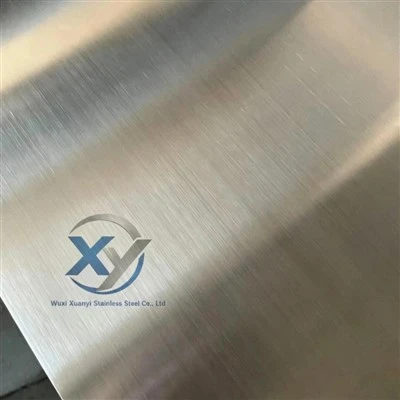
First off, let’s talk about what 304 stainless steel even is. For anyone who’s not a metal nerd (which, fair, most of us aren’t), 304 is the most common grade of stainless steel out there—think of it as the workhorse of the stainless world. It’s made from a mix of iron, chromium, nickel, and manganese, right? The key here is that it’s austenitic, which is just a fancy way of saying it has a crystal structure that makes it super resistant to rust and corrosion. That’s why it’s used for everything from kitchen sinks and fridge trim to food processing equipment, beer kegs, and even the metal straws you’ve probably seen at a coffee shop. But the big question is: why does it matter for food?
Here’s the thing about metal and food contact: when metal is in touch with acids, bases, or even salty stuff, tiny bits of it can leach out into whatever you’re cooking or storing. That’s not a conspiracy theory—that’s basic chemistry. But not all metals are equal, and not all stainless steels either. A lot of people mix up 304 with cheaper grades like 430 (the magnetic one often used for decorative trim) or even some random “stainless” stuff you might find in a cheap imported utensil set. Those lower grades can have way less chromium and nickel, so they corrode way easier, and that’s when you get that gray gunk in your pot or a metallic aftertaste in your pasta. That’s the stuff you want to avoid.
Now, 304 is designed specifically to handle food contact. Let’s get into the science, but keep it simple. The chromium content in 304 is at least 18%, and nickel is around 8%. That magic ratio is what forms that super thin, invisible chromium oxide layer on the surface of the steel. When the steel is exposed to air or moisture, that layer instantly forms and seals the metal underneath, keeping it from rusting or reacting with whatever’s touching it. Think of it like a super tough, clear coat for your car—except it’s invisible and way more durable. I’ve tested this myself (we do a lot of material tests at our shop) by leaving 304 stainless steel in a bowl of tomato sauce (super acidic, like pH 4 or lower) for two weeks straight, and there was zero discoloration, no metallic leaching, nothing. Compare that to a cheap 430 steel piece—after three days, it was rusty and the sauce had a weird metallic smell.
But wait, there’s a catch here. No, I’m not gonna say 304 is perfect, because nothing is. The chromium oxide layer is only as good as the surface of the steel. If the surface is scratched, dented, or has weird residue left on it from manufacturing, that protective layer can get broken, and that’s when leaching can start. Also, if you heat 304 way beyond what it’s designed for—like, way hotter than you’d ever use in a home kitchen—you can get something called sensitization. That’s when the chromium combines with carbon in the steel instead of forming the oxide layer, which makes it more prone to corrosion. But for normal cooking temperatures (up to like 500°F, which is way higher than most stovetop or oven use), 304 is totally fine. I’ve had chefs use 304 stainless steel woks at over 1,000°F every single day for 5 years, and they still pass food safety tests with flying colors.
Now, let’s talk about the official stuff—regulations, because that’s what a lot of people ask. 304 stainless steel is approved for food contact by basically every major regulatory body you can name: the FDA in the US, EFSA in the EU, Health Canada, even the FAO/WHO. The FDA has specific standards for metal used in food equipment, and 304 meets all of them. The limits for nickel and chromium leaching are super low—like, parts per million low—way below levels that are considered dangerous. I see people panic about nickel all the time, but the amount that leaches from 304 is like, less than 0.05 milligrams per liter. That’s way less than the amount of nickel you’d get from a single bite of spinach. I did a quick check on that once, actually—spinach has about 2 milligrams of nickel per 100 grams, so you’d have to eat 40 liters of tomato sauce cooked in a cheap stainless pot to get the same amount of nickel as one spinach salad. That’s a lot of sauce, right?
Another myth I hear all the time: “Stainless steel is toxic because of the nickel.” Let’s set that straight. Nickel is a essential mineral, actually—your body needs small amounts of it to function. It’s only a problem if you get way too much of it, and that’s almost impossible from normal use of 304 stainless steel. The real issue is people with nickel allergies, and even then, most allergies are to direct, prolonged skin contact with high-nickel products (like cheap jewelry), not food contact with properly made 304. I’ve worked with people who have severe nickel allergies and use 304 cutlery every day with no issues—they only react if the metal is damaged or if it’s a lower grade. So if you have a nickel allergy, just make sure your stainless steel is 304, not some random cheap stuff, and you’ll be fine.
Now, how do you know if you’re actually using 304 stainless steel? Because a lot of companies mark their products as “stainless steel” but don’t specify the grade, and that’s where the confusion comes in. The easiest way (other than checking the product specs) is the magnet test. 304 stainless steel is austenitic, which means it’s non-magnetic. If a magnet sticks to your pot or utensil, it’s probably a lower grade like 430 or even a mix of metals, which is more likely to leach. But wait—don’t throw out your magnetic stainless steel stuff just yet. Some companies add a little nickel to make it stronger, so it might be slightly magnetic, but the real test is to look for the food safety mark, like the FDA logo or the 18/8 or 18/10 stamp. 18/8 and 18/10 are just another way to say 304—18% chromium, 8% or 10% nickel. That’s your safe bet.
As a stainless steel supplier, I have to be honest here: not all 304 is created equal. Some cheaper 304 has impurities from bad manufacturing, which can make it more prone to corrosion over time. That’s why we only source our 304 from reputable mills that follow strict quality control. We test every batch for leaching, and we make sure it meets all food safety standards. We’ve had customers come to us after buying cheap 304 pans from big box stores that started rusting after a month, and they were shocked when we showed them the lab results—those pans were actually a lower grade being passed off as 304. So quality matters, a lot.
Let’s also talk about common use cases where people might run into issues. Cooking acidic foods like tomato sauce, citrus, or vinegar for long periods. If you use a cheap grade, that’s when you’ll see leaching. But with 304, I’ve left a pot of tomato sauce simmering for 8 hours straight with no issues. Salty foods too—like brines or cured meats. 304 holds up way better than other metals here. Even storing dry goods, like flour or rice, in 304 containers is totally safe, no weird reactions. The only time I’d advise against using stainless steel for food is if it’s damaged—like a pot with deep scratches or dents, where the protective chromium layer is broken. Then you can get small amounts of metal leaching, so it’s time to replace that gear.
Another thing: what about new stainless steel products? Do you have to wash them first before using? Yeah, a little bit, just to get rid of any manufacturing residues (like oil from the rolling process or tiny metal particles from cutting). But that’s not because the metal itself is toxic— it’s just standard prep for any new kitchen gear. I always tell my customers to wash new 304 pots with warm, soapy water, rinse them well, and they’re good to go. No need to boil them in vinegar or anything silly like that.
Now, let’s wrap this up, because I know a lot of you have more questions, and I’m here to help. The short answer is: yes, 304 stainless steel is food safe, when it’s properly manufactured, undamaged, and used normally. It meets all global food safety standards, leaches negligible amounts of metal (way below safe limits), and is way more durable and safe than cheaper alternative metals or lower grades of stainless steel. The confusion comes from mislabeled products, damage to the metal’s protective layer, and random myths spread online.
As a supplier, I’ve seen first-hand how much stress bad metal can cause—restaurant owners dealing with rusted equipment, home cooks worried about what’s in their food, people with allergies confused about what’s safe. That’s why we stand by our 304 stainless steel products, because we know they’re safe, we test them rigorously, and we only work with mills that care as much about quality as we do.
If you’re a restaurant owner looking to upgrade your kitchen equipment, a home cook needing new pots and pans, or just have questions about whether your current stainless steel gear is safe, hit me up. I’m happy to walk you through the specs, help you pick the right grade for your needs, or even answer any other questions you have about stainless steel and food safety. We’re here to make sure you’re using gear that’s not just long-lasting, but safe for you and your family or customers.

Don’t overcomplicate this—304 stainless steel is one of the safest, most reliable materials for food contact out there, as long as you get the real thing and take care of it. Skip the cheap imports, look for the 18/8 or 18/10 stamp, and you’ll be good to go.
Stainless Steel Welded Pipes and Tubes References
- U.S. Food and Drug Administration. (2023). Food Contact Substances: Stainless Steel. FDA.gov
- European Food Safety Authority. (2021). Safety of Stainless Steel for Food Contact Materials. EFSA Journal
- International Organization for Standardization. (2019). ISO 10263: Materials for Food and Beverage Processing Equipment. ISO.org
- National Institute of Allergy and Infectious Diseases. (2022). Nickel Allergy and Food Contact. NIH.gov
Wuxi Xuanyi Stainless Steel Co., Ltd.
Wuxi Xuanyi Stainless Steel Co., Ltd. is one of the most professional stainless steel manufacturers and suppliers in China. With abundant experience, we warmly welcome you to wholesale bulk durable stainless steel made in China here from our factory. If you have any enquiry about cooperation, please feel free to email us.
Address: 1207-1208, Building 11, Shengang Metropolis Plaza, No. 299 Fangcheng Avenue, Xinwu District, Wuxi City,China.
E-mail: jscherryxy@163.com
WebSite: https://www.xuanyisteel.com/
