If you’re reading this, chances are you’ve got a stack of old PP woven bags lying around—maybe leftover from a recent shipment, used to store bulk materials, or even discarded after a project. As someone who’s been a PP woven bag supplier for over a decade, I’ve heard all the wrong ways people handle these: tossing them in general trash, stuffing them into recycling bins that don’t accept plastic, or leaving them to pile up in corners until they break down into tiny microplastics. The truth is, PP (polypropylene) woven bags aren’t just “another plastic”—they’re durable, versatile, and with the right approach, easy to dispose of (or even repurpose) without harming the environment. PP Woven Bag
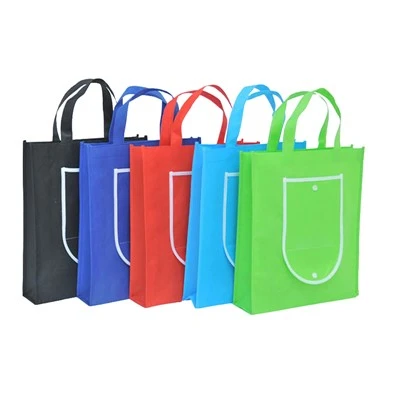
Let me start with why this matters. PP woven bags are everywhere for a reason: they’re lightweight, strong enough to carry 25kg, 50kg, or even 100kg of goods, water-resistant, and way cheaper than alternative materials like jute or canvas. That makes them go-to packaging for everything from cement and animal feed to agricultural produce and construction supplies. But their durability is a double-edged sword: when they’re thrown away incorrectly, they can take 20 to 30 years to decompose in a landfill. Worse, if they end up in oceans or waterways, they can break into microplastics that enter the food chain, harming fish, birds, and eventually humans. As a supplier, I don’t just sell these bags—I stand behind the life cycle of the products that leave my warehouse, which means knowing exactly how to dispose of them properly.
First, the most obvious (and often overlooked) step: check if they’re still usable. So many people jump to throw a bag away just because it has a small tear or a faded logo, but PP woven bags are surprisingly adaptable. Last year, a regular customer who runs a small farm told me she uses torn feed bags as ground covers for her vegetable gardens—they block weeds better than plastic sheeting, don’t biodegrade mid-season, and are cheap enough to replace when they do. Another client in the construction industry repurposes old PP bags as drop cloths for painting or sanding, since they catch dust and dry quickly after cleaning. If your bags are clean, no major tears, and still hold shape, skip the disposal step entirely. Ask yourself: does this fit a new need in your business or home? If yes, repurpose it. If not, move on to proper disposal.
Now, when it comes time to dispose, the first and best option is recycling—but not all recycling programs accept PP woven bags. Here’s the mistake I see all the time: people toss them into their curbside recycling bins, only for them to get stuck in sorting machinery and contaminate an entire batch of other recyclables. PP woven plastic falls into the number 5 resin category, which is technically accepted in most curbside programs, but only if they’re clean and dry. That means empty any remaining contents (a quick shake usually works), wipe off dust, dirt, or food residue, and cut them into smaller pieces if your local program requires it. But don’t stop there: not all recycling centers process flexible plastics like woven PP. Some curbside programs only accept rigid plastics (bottles, containers), so call your local waste management company first to confirm: do they take number 5 flexible plastic bags, specifically woven ones? If not, look for drop-off locations that specialize in hard-to-recycle plastics. Many grocery stores, home improvement centers, and specialty recycling hubs have bins for plastic bags and film—these are designed to process flexible plastics without damaging sorting equipment. Last quarter, I partnered with a local drop-off center to host a bag drive for our clients, and we collected over 2,000 pounds of old PP woven bags that would have otherwise gone to a landfill. Those bags were recycled into new products like park benches, plastic lumber, and even new woven bags—closing the loop perfectly.
If recycling isn’t an option, the next best method is waste-to-energy (WtE) facilities that accept non-recyclable PP woven bags. Unlike burning general trash in a backyard fire pit (which releases toxic fumes), modern WtE facilities are regulated to burn plastics at high temperatures (over 850°C) that neutralize harmful gases like dioxins and capture heavy metals before they’re released into the air. PP is a hydrocarbon plastic, meaning it burns cleanly and produces a lot of energy—one ton of PP can generate about 38,000 kilowatt-hours of electricity, enough to power a small home for over four months. That’s a huge benefit compared to sending PP to a landfill, where it’s buried and produces methane, a greenhouse gas 25 times more potent than CO₂. But important: only use certified WtE facilities that meet national environmental standards. Avoid unregulated incinerators, which are common in some areas and cause air pollution. Again, check your local waste management provider to see if they work with any certified WtE centers that accept PP woven bags.
Now, what to avoid at all costs. First, never burn PP woven bags in an open fire. Even a small backyard burn can release toxic chemicals like benzene, formaldehyde, and volatile organic compounds (VOCs) that can cause respiratory issues and contribute to air pollution. I’ve had clients tell me they burn old bags to get rid of them quickly—this is not only bad for your health but often illegal in many cities and towns, with fines for unregulated burning. Second, never toss them in general trash destined for a landfill. As I mentioned earlier, PP takes decades to decompose in a landfill, and if it’s not compacted properly, it can blow away and become litter. Third, don’t mix PP woven bags with other non-recyclable materials like food waste, glass, or metal. Contamination makes the entire batch unrecyclable, so always keep PP bags separate from other trash when you’re preparing them for recycling or drop-off.
As a PP woven bag supplier, I also have a responsibility to make disposing easier for my clients, which is why I’ve started including a “disposal guide” with every bulk order. I share tips like: keep your bags clean during storage to make reuse or recycling easier, buy only the size you need to reduce excess waste, and when you’re ordering a new shipment, keep in mind that many of our products are made from 30% recycled PP, so choosing recycled-content bags reduces the demand for virgin plastic. Last year, a client who runs a wholesale hardware store switched all his inventory packaging to our recycled-content PP bags, and he told me his customers are more likely to return old bags for recycling because they’re labeled as “recycle-ready.” It’s a small change but it makes a big difference.
I also want to address a common myth: some people think PP woven bags are “too big” or “too flexible” to recycle, so they give up. That’s not true. In fact, the Association of Plastic Recyclers has a specific program for flexible number 5 plastics, including woven PP, and many large-scale plastic processors now have machines designed to tear and wash woven bags into pellets that can be remolded into new products. The key is not to let them get contaminated, and to find a drop-off that accepts them—curbside might not, but a local plastic film drop-off will. If you’re a business, you can also set up a collection bin in your warehouse or loading dock, and work with a local recycling company that specializes in commercial flexible plastics. I’ve had several small construction companies do this, and they’ve been able to turn their old bags into extra revenue by selling them to recycling centers instead of paying to throw them away.
Let’s talk about a real example from my own experience. Last year, I had a client who ran a feed mill in rural Ohio. They were going through 5,000 PP woven bags a month for animal feed, and before reaching out to me, they were throwing all the old bags in a local landfill, paying $150 a month in disposal fees. I told them to start collecting clean, empty bags, cut them into pieces, and drop them off at the nearest plastic film drop-off at a grocery store 20 miles away. Now, they not only save $150 a month, but the drop-off center pays them 10 cents a pound for the clean, processed bags. That’s an extra $500 a month for a small business—all from disposing of their bags properly. It’s a win-win: the bags don’t go to a landfill, they get recycled into new products, and the business saves money. That’s the kind of outcome I love to see as a supplier—not just selling a product, but helping customers make the right choices for their bottom line and the environment.
I know it can feel overwhelming to figure out the right way to dispose of any plastic product, but PP woven bags are actually one of the easier plastics to handle. The main steps are: repurpose if you can, recycle where possible, and if not, use a certified waste-to-energy facility. The worst thing you can do is ignore the problem and let them pile up. For anyone reading this who works with PP woven bags regularly—whether you’re a small business owner, a farmer, a warehouse manager, or a construction worker—you don’t have to navigate this alone. As a PP woven bag supplier, I’ve spent years learning the ins and outs of recycling and disposal for these products, and I’m here to help. If you have questions about local recycling centers, how to prepare bags for drop-off, or even if you’re looking to switch to more sustainable packaging options that are easier to dispose of, I’d be happy to chat.
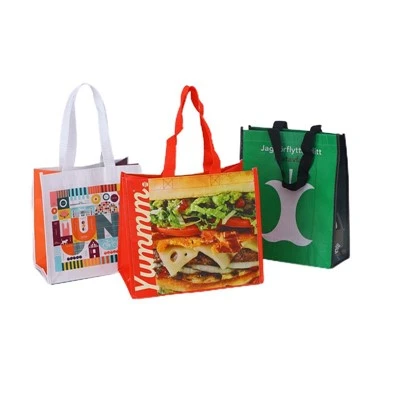
At the end of the day, the goal is simple: keep PP woven bags out of landfills and incinerators that don’t control emissions, and turn them into something new when possible. These bags are designed to be used, reused, and recycled—we just need to give them that chance. I’ve seen firsthand how a small shift in disposal habits can turn a waste product into a valuable resource, and I’m excited to work with more businesses to make that happen. If you’re interested in learning more about how we can support your waste reduction goals, or if you have questions about proper disposal for your PP woven bags, don’t hesitate to reach out.
Insulated Bag References
- U.S. Environmental Protection Agency (EPA). “Plastics: Material-Specific Data.” 2024.
- Association of Plastic Recyclers (APR). “Flexible Plastic Packaging Recycling Guidelines.” 2023.
- National Waste & Recycling Association (NWRA). “Commercial Recycling Best Practices.” 2024.
- Polypropylene Recycling Coalition. “Closed-Loop Recycling of Flexible PP Products.” 2023.
Wenzhou Hangyi Packing Co., Ltd.
As one of the most professional pp woven bag manufacturers and suppliers in China, we also support customized service. Please rest assured to wholesale bulk durable pp woven bag in stock here from our factory. If you have any enquiry about pricelist, please feel free to email us.
Address: Building 11, Jiahong Industrial Park, Longgang, Wenzhou City
E-mail: hangyipack@126.com
WebSite: https://www.hangyipack.com/
