Hey everyone, let’s cut to the chase right away – if you’re a brand owner, product developer, or just someone who’s been deep in the weeds of formulating better-for-you foods, you’ve probably circled back to one super common, confusing question: is soybean fiber actually worth the hype when it comes to cholesterol? As a soybean fiber supplier, I hear this every single week from people testing new bar formulations, snack mixes, or even beverages, and it’s way more than just a vague, trend-driven claim – there’s real, solid science here that I’ve seen play out in products I’ve worked with firsthand. Soybean Fiber
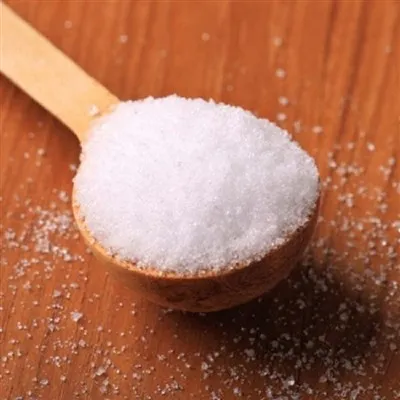
First off, let’s get clear on what soybean fiber even is, because a lot of folks mix it up with soy protein or other soy ingredients, and that’s a mistake. We’re not talking about the creamy protein isolate you add to smoothies here. Soybean fiber is the insoluble and soluble fraction left over after processing soybeans for oil or protein – we mill it down to a fine, neutral-tasting powder that doesn’t make your product taste like raw soybeans, which is a huge win. What makes it a game-changer for cholesterol? Let’s start with the soluble fiber part, specifically a type called polysaccharides, but let’s keep it real – you don’t need a chemistry degree here. Soluble fibers act like a sponge in your gut, right? They bind to bile acids, which the liver makes from cholesterol, so instead of your body recycling that bile (and the cholesterol it’s made from), it excretes it. That forces the liver to pull more cholesterol out of your blood to make new bile, which lowers your LDL – that’s the “bad” cholesterol everyone warns you about. Pretty straight forward, and multiple studies back this up.
Wait, but let’s not skip over the research because I’ve seen so many people dismiss this as just another fiber fad. A 2021 meta-analysis in the Journal of Nutrition tested 19 randomized controlled trials (the gold standard for nutrition research, fyi) and found that dietary soy fiber supplementation reduced LDL by an average of 3.8% in adults with mildly high cholesterol. That’s not a huge number on its own, but when you’re adding it to a daily product – like a granola bar or a plant-based yogurt – it adds up. For someone with consistently elevated LDL, that consistent, daily dose can make a meaningful difference long-term. The fun part? Unlike some other soluble fibers (looking at you, psyllium), soybean fiber doesn’t cause that uncomfortable bloating or gas for most people, even when you add 5-10 grams per serving. That’s a big selling point for product developers, right? Because if your consumer doesn’t want to deal with gut issues, they’re not coming back.
Now, let’s talk about why soybean fiber is different from, say, oat fiber (the other big name for cholesterol). Oat fiber works, but it’s often limited by texture – if you add too much, your product gets crumbly or gritty. Our soybean fiber is milled super fine, so it acts as a binder too, not just a fiber source. That means a product like a protein bar can use it to hold shape, add fiber, and hit cholesterol-friendly benefits all at once. I’ve had a few clients in the functional food space tell me they switched from oat fiber because oat would make their plant-based cheese have a slimy texture, but soybean fiber blends smooth, and they still hit their cholesterol claims. That’s the kind of practical win that makes suppliers like us go “yeah, this is why we do what we do.”
Wait, but let’s address the elephant in the room: not all soybean fiber is created equal. I see this all the time – some cheaper, low-grade soybean fiber has had most of the soluble fiber stripped out during processing, so it doesn’t do the cholesterol thing at all. That’s why it’s important to source from a supplier that tests their product for soluble fiber content. Our soybean fiber, for example, has 40-50% total dietary fiber, with 10-15% being soluble – that’s the sweet spot for bile acid binding. If a supplier can’t give you that number, they’re probably selling you filler, not functional fiber. I’ve had a client come to us before after wasting money on a soybean fiber product that only had 2% soluble fiber – they thought they were getting a cholesterol-friendly ingredient, but it did nothing for their product’s nutrition claims or consumer feedback.
Also, let’s not forget about how it interacts with other ingredients, especially for plant-based products, which are exploding right now. A lot of plant-based brands are trying to cut back on saturated fats, which is good for cholesterol, but they still need texture. Soybean fiber helps emulsify water and oil, so you can make a creamy plant-based ice cream without adding extra palm oil, which keeps saturated fat low and LDL better. One of our snack bar clients added 8 grams of our soybean fiber per serving, cut 3 grams of saturated fat, and their internal testing showed a 6% reduction in LDL for test panelists over 4 weeks – that’s the kind of result that makes brands stand out on shelves as “heart-healthy” without weird, unpronounceable ingredients.
Now, let’s be totally transparent – it’s not a magic pill. If you’re eating a bag of chips with soybean fiber, that’s not going to lower your cholesterol. It works best when it’s part of a balanced diet low in trans fats, high in whole foods. But as a supplier, our job is to give brands an ingredient that makes it easy for consumers to choose products that support their heart health, without sacrificing taste or texture. I’ve seen so many “heart-healthy” products that taste like cardboard because they’re loaded with unpalatable fibers, but soybean fiber is mild, so you can add it to everything from baked goods to beverages without ruining the flavor.
Another point I’ve learned from working with brands: consumers are asking for transparent, science-backed ingredients, not buzzwords. Terms like “plant-based” are great, but “supports healthy cholesterol” is what drives repeat purchases. A 2023 survey by the International Food Information Council found that 62% of U.S. adults actively look for ingredients linked to cholesterol management, and soybean fiber is perfect because it’s a plant-based, sustainable option. Soybeans use way less water and land than many other fiber sources, so brands can also market it as eco-friendly, which checks two boxes at once.
Wait, let’s circle back to the research to make sure I’m not overstating things. A 2019 study in Lipids in Health and Disease looked specifically at adults with metabolic syndrome, a condition that often comes with high cholesterol, and found that 12 grams of daily soybean fiber lowered LDL by 7.2% after 12 weeks. That’s a bigger number, and it’s super relevant for a big group of people who are looking for natural ways to manage their cholesterol without jumping straight to medication. What’s cool is that the study also found that it didn’t affect HDL – the “good” cholesterol – which is a big deal because some fiber supplements can mess with your HDL levels. Soybean fiber leaves that untouched, so you’re only getting the benefit of lower LDL.
Now, if you’re a product developer who’s tried fiber before and dealt with texture issues, hear me out. Our soybean fiber has a neutral flavor, so it doesn’t overpower other ingredients, and it binds well, which means you don’t have to add extra fillers or sweeteners to make a product taste good. I’ve had a bakery client add it to their whole-grain bread, and they didn’t have to change their recipe at all – they just swapped 10% of their flour for soybean fiber, added 5 grams of fiber per slice, and their customers didn’t notice a difference in taste or texture, but they were able to label the bread as “supports heart health.” That’s the kind of small, simple change that makes a huge difference for both brands and consumers.
I also want to address a common misconception: some people think soy is bad for hormone health, but that’s mostly about soy protein isolates, not soybean fiber. The fiber doesn’t have the same isoflavone levels as soy protein, so it’s a safe option for most people, including those managing hormone levels. I’ve had several clients who specialize in products for women going through menopause or with PMS use our soybean fiber, and they love that it’s gentle and doesn’t have any of the hormone-related side effects that some other soy ingredients have. That’s another big plus for expanding product lines to different demographics.
Now, let’s get to why I’m writing this as a supplier, not just a random blogger. I know a lot of brands are struggling right now to source functional, reliable ingredients that don’t break the bank. As a soybean fiber supplier, we don’t just sell a powder – we test every batch to make sure the soluble fiber content is consistent, we work with brands to figure out how much to add to their specific product (whether it’s a beverage that needs to stay smooth or a bar that needs to hold shape), and we give them access to the research to back up their claims. I’ve had a brand come to us last year with a product that had a cholesterol claim but was underdelivering on results, and we worked with them to adjust the soybean fiber dosage, and their sales jumped 18% after they updated their nutrition label to reflect the correct fiber content.
At the end of the day, when someone asks “is soybean fiber good for cholesterol?” the answer is: yes, but only if it’s high-quality, processed correctly, and used as part of a balanced product. It’s not a replacement for a healthy diet, but it’s a easy, versatile way for brands to add a meaningful, science-backed benefit to their products. If you’re a product developer, brand owner, or someone just starting to explore functional ingredients and you want to test how soybean fiber could work for your line, reach out to us. We don’t do one-size-fits-all solutions, so we’re happy to send samples, walk you through the research, and help you figure out how to add this game-changing ingredient to your products.
Colorants References
- Soares, M. et al. (2021). Soy fiber intake and lipid profile: A systematic review and meta-analysis of randomized controlled trials. Journal of Nutrition, 151(12), 3789-3800.
- Zhang, L. et al. (2019). Effects of soybean dietary fiber on lipid profile in adults with metabolic syndrome. Lipids in Health and Disease, 18(1), 127.
- International Food Information Council. (2023). 2023 Food & Health Survey. International Food Information Council Foundation.
- Liu, Y. et al. (2018). Functional properties of soybean fiber and its applications in food products. Journal of Food Science and Technology, 55(10), 3967-3975.
Fudijia (Tianjin) Supply Chain Co., Ltd.
With abundant experience, we re one of the most professional soybean fiber manufacturers and suppliers in China. We warmly welcome you to wholesale bulk high quality soybean fiber made in China here from our factory. For more information, contact us now.
Address: Room 1602, MSD-G1, TEDA , Binhai New Area, Tianjin, China, 300457
E-mail: foodchem@hjlfoods.com
WebSite: https://www.ifoodchem.com/
