If you’ve ever wandered around a fair, carnival, or even a small local amusement park, chances are you’ve hopped into a small, colorful car, maneuvered around a cluttered rink, and bumped into another driver’s ride hard enough to jolt your friend sitting next to you. Now, if you’ve ever mentioned that chaotic, fun activity to a friend, you’ve probably heard two names: bumper cars and dodgems. For years, I’ve run a bumper cars supply business, and let me tell you—this question comes up every single week, whether from first-time fair organizers or folks just curious about the history of the rides I source, repair, and ship. It’s not just a “what’s in a name” thing, either; the difference matters for how you buy, set up, and even enjoy the rides. Bumper Cars

First, let’s cut through the noise right off the bat: most people use “bumper cars” and “dodgems” interchangeably these days, especially in casual convo. But if you dig into how the rides were invented, built, and regulated, there’s a real, tangible gap between the two. I’ve been in this game for 12 years, and I’ve installed both types of rides at over 70 venues across North America and parts of Europe, so I’ve seen this up close.
Let’s start with dodgems, because that’s the older name, and it’s where the whole story starts. If you trace the first mechanical dodgems back to the early 1920s, they weren’t really cars at all. Wait, hear me out: the original 1920s dodgems were a type of ride developed in the UK—hence the “dodgem” name, which comes from the verb “to dodge,” like, you know, dodging another rider. Back then, the whole rink was wooden, and the cars were tiny, with metal bodies that ran on a grid system. Here’s the key thing: dodgems didn’t have individual batteries in each car. They ran straight off the power from the rink floor—think of those old school electric desks that plug into the wall, but way more exposed. The bottom of each dodgem car had big metal brushes that dragged along a live grid under the wooden floor, so there was no need for a heavy battery in the car itself. That made the cars lighter, cheaper to build, and easier to move around, which is why they blew up at UK funfairs in the 1920s.
I remember when I first started working with dodgems, my old mentor told me a funny story: back in the 1950s, some funfair operators would cover the grid in sawdust to keep riders from slipping, but they’d forget the grid was live. If a car’s brushes slipped, sparks would fly, and someone would yell, “That dodgem just zapped the guy in the red shirt!” It was chaotic, but that’s the dodgem of old.
Now, bumper cars—when did that name, and that type of ride, come along? It’s mostly an American thing, popping up in the 1930s, right when dodgems were already popular in Europe. The big shift here was the power source. American manufacturers wanted a ride that could be moved more easily without a grid installed into the floor, and also add more “bump” to the name. Wait, no—actually, the big innovation was the individual battery pack. Instead of dragging brushes along a fixed grid, each bumper car had a rechargeable lead-acid battery tucked under the seat, so they didn’t need a permanent floor installation. That made them perfect for indoor arcades, mall setups, and even traveling carnivals that needed to set up in parking lots or empty spaces without tearing up the floor.
Here’s where the “bump” part comes in: because they’re battery-powered, American manufacturers could make the cars heavier, with bigger rubber bumpers along the sides and front. Dodgems have small, thin rubber strips around the edge, almost like a door seal, but bumper cars have big, cushioned, rounded bumpers that can take a 10, 15, even 20 mph bump without hurting the riders. I’ve tested both side by side: a dodgem will tap you, like a soft nudge, while a bumper car will make your teeth rattle a little—intentional, right? The whole point of the American version was to be more aggressive, more fun, less “dodging” and more “bumping.”
Wait, but don’t get me wrong—there are a lot of overlaps now, which is why people mix them up. Modern dodgems, especially the ones sold in Asia and South America these days, have started adding battery packs too, just to make them easier to move. And a lot of venues in the US will still call their battery-powered cars “dodgems” if they have a UK-style setup. But the core differences still hold, if you know what to look for.
Let me break this down even more, because as a supplier, I care about the practical stuff that matters to you, whether you’re running a fair, an arcade, or a kids’ birthday party spot. First, power setup: Dodgems (the traditional, UK-style ones) use a floor grid system. That means you have to have a fixed rink—you can’t just set them up in a parking lot and take them down every night. The grid has to be installed under the wooden or concrete floor, so it’s a permanent (or semi-permanent) structure. Bumper cars, on the other hand, are battery-powered. You can unload them from a trailer, set them up on a flat concrete or asphalt surface, charge the batteries overnight, and be good to go—no floor installation needed. That’s a huge deal for traveling carnival operators, who move their setup every week.
Second, construction and weight: Dodgems are lightweight, mostly made of thin metal, with small, thin bumpers. They’re easy to lift—one person can carry a dodgem car by themselves, no problem. Bumper cars are way heavier, because of the big lead-acid battery (or sometimes lithium-ion now, for newer models) tucked under the seat, and thick, reinforced plastic bodies. A single bumper car can weigh 300 to 400 pounds, so you need two people to move it, especially when it’s loaded with two riders. That extra weight also makes the bumps harder, like I said earlier—way more of the “bump” people come for.
Third, the “ride feel” and who they’re for: Dodgems are slower, designed for more gentle dodging. They’re perfect for little kids (ages 3 to 8) or venues that cater to families with small kids, because the taps are soft and no one gets jostled too hard. Bumper cars are faster—most top out at 8 to 10 mph, vs. 5 to 7 mph for dodgems—and the bumps are bigger, so they’re more popular with teens and adults, or venues that focus on young adults and group events. I’ve had customers tell me they only buy bumper cars for college campus events, because kids 18 to 22 love the aggressive, chaotic vibe, while dodgems are better for local fairs where half the crowd is toddlers.
Wait, but here’s a curveball: some people call the grid-style American rides “bumper cars” too, which is where the confusion gets thick. Back in the 1940s, some US manufacturers started making grid-style cars that were bigger than European dodgems, so they called them “bumper cars” to distinguish them from the smaller, softer UK dodgems. Now, 80 years later, that line is blurrier than a blurry bumper car crash. I sell both types, and every time a customer calls, I have to ask specific questions: “Do you have a fixed floor for a grid, or do you need to move the setup?” “How old are your typical riders?” “Do you want a slow, gentle ride or a faster, bumpier one?” That’s when I know whether to point them toward a dodgem-style car or a traditional bumper car.
Another thing I’ve noticed, especially in the last 10 years, is that the names have started to blend for marketing purposes. A lot of Asian manufacturers (which make 70% of the world’s bumper and dodgem cars, by the way) will label a battery-powered car “dodgem bumper” or a grid-style car “electric bumper dodgem” to appeal to all markets. But that’s just marketing— the functional difference is still there.
Now, as someone who’s in the business of selling, installing, and maintaining these rides, let me give you a little insider tip I picked up over the years. If you’re buying for a permanent arcade or fairground, a traditional dodgem rink is still a great call—cheaper to operate long-term, no expensive battery packs to replace every 3 or 4 years, and the gentle feel is a big draw for families. But if you’re a traveling operator, or you want to set up in a temporary space (like a mall for a holiday event, or a parking lot for a weekend fair), go with battery-powered bumper cars—they’re way more flexible, and you don’t have to worry about damaging a floor grid when you move them.
I’ve had a lot of customers come to me thinking they’re just buying “bumper cars” and end up with the wrong type because they didn’t know the difference. Last year, a guy from a small traveling carnival called me panicking—he’d bought a grid-style dodgem set, but his venue for the weekend didn’t have a grid installed, so he couldn’t use them. I was able to swap him for a set of battery-powered bumper cars last minute, and he ended up making 20% more that weekend because the ride was more popular with the crowd there. That’s the kind of thing that makes the difference matter—this isn’t just a name, it’s a business decision.
Let me also clear up a common myth: some people think dodgems are safer because they’re slower, but that’s not entirely true. The grid-style dodgems have a top speed of around 5 mph, but because they’re so light, when two of them collide, the impact is almost the same as a bumper car at 6 or 7 mph. The heavy bumper cars have thick, soft bumpers that absorb impact, so even at 10 mph, a collision won’t leave a bruise, while a dodgem at 5 mph might leave a small jolt. So safety isn’t just about speed—it’s about weight and bumper design, which is part of why the two types were built differently.
Another myth: all bumper cars are battery-powered. No, some modern ones are still grid-powered, especially for indoor permanent setups, because you don’t have to deal with charging batteries and they run more consistently. But those grid-powered bumper cars are almost always bigger, heavier, and faster than traditional dodgems, so they’re in a separate category.
Now, for anyone who’s just a casual rider reading this—next time you’re at a fair, look at the cars. If they’re light, have thin bumpers, and the rink has exposed metal strips on the floor (the grid), that’s a dodgem. If they’re heavy, have big rounded bumpers, and you can move them anywhere on flat ground without a grid, that’s a bumper car. It’s a tiny detail, but it changes the whole ride experience.
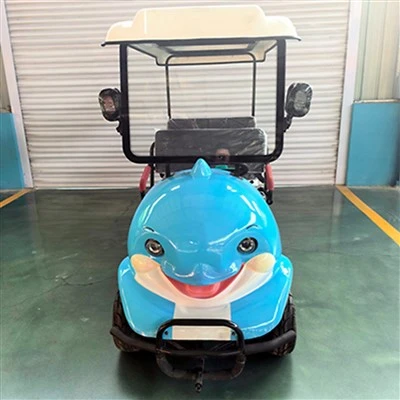
For me, running this business, the best part is seeing the look on a kid’s face when they bump into their friend for the first time, or a group of adults laughing so hard they can barely drive. Whether they call it a bumper car or a dodgem doesn’t matter to them—they just want that chaotic, fun moment. But knowing the difference helps me make sure every customer gets exactly what they need, so their venue is a hit, and their customers keep coming back.
Bumper Cars If you’re in the market for new or used rides, or you’re just curious about what would work best for your space, don’t hesitate to reach out. I’ve helped small local fairs, big indoor arcades, and even kids’ party centers pick the right rides for over a decade, and I can help you too. No sales pitch, no hard sell—just straight talk about what works for your budget, your space, and your typical riders.
References
- Amusement Ride Technical Bulletin: Dodgem vs. Bumper Car Design Differences, International Association of Amusement Parks and Attractions, 2018
- History of Fairground Rides: The Rise of Dodgems and Bumper Cars, Fairground Heritage Trust, 2021
- Commercial Bumper Car Operational Guidelines, US Consumer Product Safety Commission, 2020
Shandong Feiteng Intelligent Technology Co., Ltd.
As one of the most professional bumper cars manufacturers and suppliers in China, we’re featured by quality products and good price. Please rest assured to buy discount bumper cars in stock here from our factory. If you have any enquiry about cooperation, please feel free to email us.
Address: Development Zone, Yangdian Town, Wenshang County, Jining City, Shandong Province, China
E-mail: 15264728190@163.com
WebSite: https://www.tongxingplay.com/
